
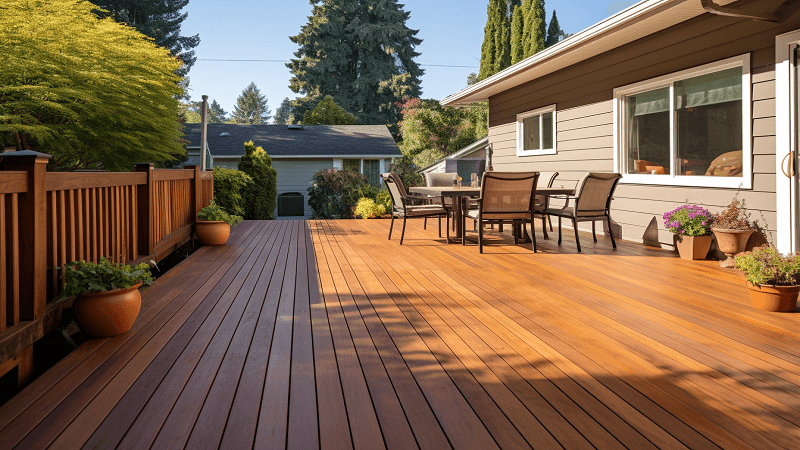
Outdoor living spaces have become an essential part of modern home design in the United States. Homeowners today want decks, patios, and outdoor areas that are not only visually appealing but also durable, sustainable, and low maintenance. Traditional wood decking, while classic, often struggles to meet these expectations due to issues like rot, fading, insect damage, and high maintenance costs.
As a result, the home improvement industry has seen a strong shift toward engineered materials that offer long-term performance without sacrificing aesthetics. One of the most notable innovations is Wood-Plastic Composite (WPC) decking. Combining recycled wood fibers with advanced polymers, WPC decking provides the natural look of wood with significantly improved durability. This evolution in materials has led builders, contractors, and homeowners to increasingly rely on specialized manufacturers capable of producing high-performance composite solutions for modern outdoor environments.
Why WPC Composite Decking Is Transforming Outdoor Construction
Wood-Plastic Composite decking has quickly become a preferred choice in residential and commercial outdoor projects. Unlike traditional wood, WPC boards are engineered to withstand moisture, temperature fluctuations, and heavy foot traffic without warping or splintering.
The material’s structure blends recycled wood fibers with high-performance plastics, resulting in a product that retains the appearance of wood while eliminating many of its weaknesses. This makes WPC decking especially suitable for climates where seasonal weather changes can affect traditional materials.
In recent years, contractors and architects have also begun prioritizing suppliers that focus on advanced composite technology and consistent manufacturing standards. Many professionals researching reliable composite decking companies often evaluate factors such as product durability, sustainability practices, and design versatility when selecting a manufacturer. For example, manufacturers specializing in engineered decking solutions such as WPC systems help provide reliable alternatives for projects requiring both structural integrity and modern design aesthetics.
Another reason for the growing popularity of composite decking is its ability to maintain its appearance over time, even with minimal upkeep.
Sustainability and Environmental Benefits
Environmental awareness has become a major driver in the home improvement and construction industries. Homeowners and developers increasingly look for materials that support sustainable building practices while maintaining performance standards.
WPC composite decking aligns well with these goals. Because it incorporates recycled wood fibers and recycled plastic materials, it reduces the demand for virgin timber and helps divert waste from landfills. This makes it an environmentally responsible option for outdoor construction.
Additionally, the long lifespan of composite decking contributes to sustainability. Traditional wooden decks often require replacement or extensive repairs after several years due to weather damage or decay. WPC decking, however, is engineered to resist these common problems, significantly extending its usable life.
Many manufacturers also focus on environmentally responsible production processes, ensuring that materials are sourced responsibly and that manufacturing waste is minimized. For eco-conscious homeowners, choosing composite decking can be an effective way to combine sustainability with long-lasting outdoor design.
Design Flexibility for Modern Outdoor Spaces
Another reason WPC composite decking has gained traction is its versatility in design. Modern outdoor spaces are no longer limited to simple wooden platforms. Instead, homeowners are creating multi-functional areas that include dining zones, entertainment spaces, and integrated landscaping features.
Composite decking products are available in a wide range of textures, colors, and finishes that mimic natural wood grains. This allows designers and builders to match decking materials with various architectural styles, from contemporary homes to more traditional properties.
In addition to visual variety, WPC decking can be manufactured with consistent dimensions and structural strength. This consistency simplifies installation and allows for more creative layouts, including curved decks, tiered platforms, and custom outdoor features.
Because composite boards resist fading and staining, they maintain their appearance even in areas exposed to sunlight, rain, and frequent use. This reliability makes them particularly appealing for homeowners seeking outdoor materials that balance style with practicality.
Low Maintenance and Long-Term Performance
One of the most significant advantages of WPC composite decking is its minimal maintenance requirements. Traditional wood decks require regular sanding, staining, sealing, and repairs to preserve their appearance and prevent damage. Over time, these maintenance tasks can become both costly and time-consuming.
Composite decking eliminates many of these concerns. The material is designed to resist moisture absorption, insect damage, and mold growth. As a result, routine maintenance is usually limited to occasional cleaning with water and mild detergent.
The durability of WPC decking also contributes to long-term value. Because the boards are engineered for structural stability, they are less likely to crack, warp, or splinter over time. This makes them particularly suitable for high-traffic outdoor areas where durability is essential.
For contractors and homeowners alike, the combination of low maintenance and extended lifespan makes composite decking a practical investment for outdoor projects.
Conclusion
The growing popularity of WPC composite decking reflects a broader shift in the home improvement industry toward materials that combine performance, sustainability, and modern aesthetics. As outdoor spaces continue to play a larger role in residential design, homeowners and builders increasingly seek solutions that provide long-term durability while maintaining visual appeal.
Composite decking meets these demands by offering resistance to weather, minimal maintenance requirements, and environmentally responsible manufacturing practices. Its design flexibility also allows architects and homeowners to create outdoor spaces that are both functional and visually distinctive.
Looking ahead, advancements in composite manufacturing technology are expected to further improve the performance and sustainability of decking materials. As innovation continues, WPC composite decking is likely to remain a key component in the future of outdoor construction, helping shape durable and environmentally conscious outdoor living environments for years to come.