
Massachusetts consistently ranks among the states with the highest median home values in the country — a distinction that reflects both the strength of the regional economy and the depth of buyer demand in markets like Greater Boston, the MetroWest corridor, and the communities along the Route 128 technology belt. For homeowners in this environment, property value is not just a financial abstraction. It is the primary asset on most household balance sheets, and the decisions made about maintaining, improving, and managing a home over time have a direct and measurable effect on that asset’s performance relative to the broader market.
The Exterior Envelope: Why It Drives More Value Than Most Homeowners Realize
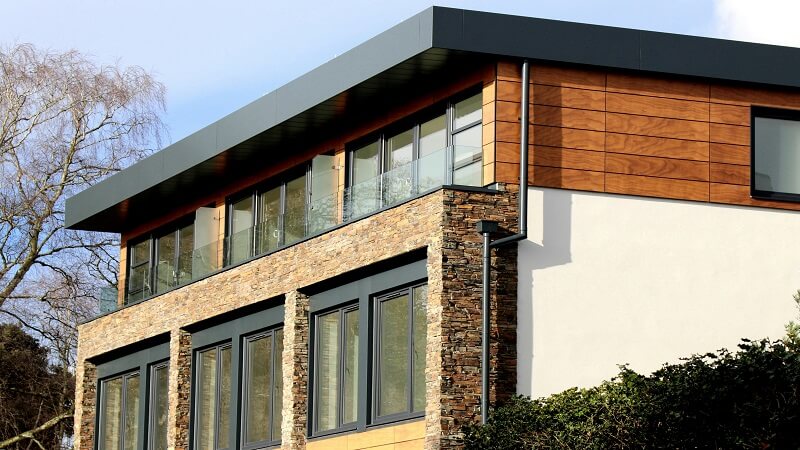
Among the factors that determine how a Massachusetts home performs in the market, the condition and quality of the exterior envelope — roofing, windows, and cladding — consistently carries more weight than interior finishes in buyer evaluation. The reason is partly practical and partly psychological. Buyers and their inspectors assess exterior condition early in the due diligence process, and problems identified there — deferred maintenance, aging materials, moisture infiltration evidence — generate the price reduction requests and contingency concerns that erode net proceeds. For quality siding MA work specifically, the market premium in communities like Newton, Needham, Natick, and Arlington is well documented: homes with updated, well-maintained cladding consistently attract stronger offers and cleaner transactions than those where the exterior is showing its age.
The practical dimension is equally important. The exterior envelope of a Massachusetts home is its primary defense against a climate that is genuinely demanding — freeze-thaw cycling that stresses every joint and transition, wind-driven rain that probes every failed seal, summer UV that accelerates the degradation of paint and lower-grade materials. An exterior system that is failing in these respects is not just aesthetically compromised — it is allowing moisture infiltration that is progressing through wall cavities and causing structural damage that will cost far more to remediate than the exterior work that would have prevented it.
How Buyers Evaluate Exterior Condition in the Massachusetts Market
The Massachusetts home buying process is unusually rigorous in its due diligence standards compared to many other markets. Home inspectors are highly trained and professionally organized, buyers’ attorneys review permit histories as a standard step, and the competitive pricing environment means that buyers enter the process already educated about what homes in a given condition and location should cost. In this context, exterior deferred maintenance does not simply reduce a home’s aesthetic appeal — it creates specific, quantified negotiating leverage for buyers who can point to inspection findings, permit gaps, or visible deterioration as grounds for price adjustments that often exceed the cost of the work that was deferred.
The Home Improvements That Deliver the Strongest Massachusetts Returns
Not all home improvements deliver equal returns in the Massachusetts market, and the allocation of renovation budget toward projects that produce the strongest combination of immediate appeal and lasting structural value is a decision that benefits from understanding the local market’s specific preferences. The improvements that consistently produce strong returns in this market include:
- Exterior cladding updates — the category that delivers perhaps the most immediate and visible transformation relative to cost, with fiber cement and premium vinyl replacement projects consistently returning a high percentage of their cost in sale price premiums while eliminating the ongoing maintenance that aging cladding demands.
- Window replacement — original single-pane and early double-pane windows are still present in a significant portion of Greater Boston’s older housing stock, and their replacement with modern low-E units produces improvements in both energy performance and buyer perception that are reflected in market pricing.
- Kitchen and bathroom updates — the interior improvements that drive the most buyer enthusiasm in Massachusetts markets, particularly in the price ranges where buyers are trading up from starter homes and have specific expectations about kitchen quality and bathroom finishes.
- Roofing — a replacement that buyers and their inspectors specifically evaluate and that generates significant price negotiation leverage when it is aging or failed. A new roof removes a major inspection concern and signals that the home has been maintained to a high standard.
- Energy efficiency improvements — Massachusetts buyers in higher price ranges are increasingly sophisticated about energy performance, and homes that can demonstrate low heating and cooling costs through improved insulation, air sealing, and mechanical systems attract a premium that reflects the compounding value of those savings over a typical ownership period.
The Permit Record and Why It Matters More in Massachusetts Than Elsewhere
One of the factors that distinguishes Massachusetts real estate transactions from those in many other states is the depth of permit history review that has become standard practice in the market. Buyers’ attorneys obtain permit records from municipal building departments as part of pre-closing due diligence, and unpermitted work — particularly structural work, roofing, and exterior envelope work — creates title complications and renegotiation dynamics that are disproportionately disruptive relative to the original permit cost that was avoided. The practical implication for homeowners planning any significant exterior work is straightforward: permit the work properly, retain the documentation, and ensure that inspections were completed. This record is an asset at the point of sale that protects against the discount that unpermitted work can trigger.
The Long-Term Maintenance Mindset That Produces the Best Outcomes
The Massachusetts homeowners who achieve the strongest long-term property outcomes relative to the market are consistently those who approach their home as a managed asset rather than a passive investment. The distinction is in the operating model: passive investors perform maintenance reactively, when failure forces their hand; active managers maintain proactively, catching deterioration early and addressing it while it is still inexpensive. Over a ten-to-twenty-year ownership period, the difference in total maintenance cost between these two approaches is substantial — the proactive model is consistently less expensive in aggregate, and it produces a property in substantially better condition at the point of sale.
The Massachusetts climate makes this distinction particularly consequential. The combination of harsh winters, significant moisture exposure, and the demanding UV and thermal cycling of four distinct seasons means that deferred maintenance accumulates damage faster here than in more moderate climates. A Massachusetts home that is not actively managed tends to fall behind the market not because the market is moving against it but because the climate is moving against it — and the cost of catching up is always higher than the cost of staying current would have been.