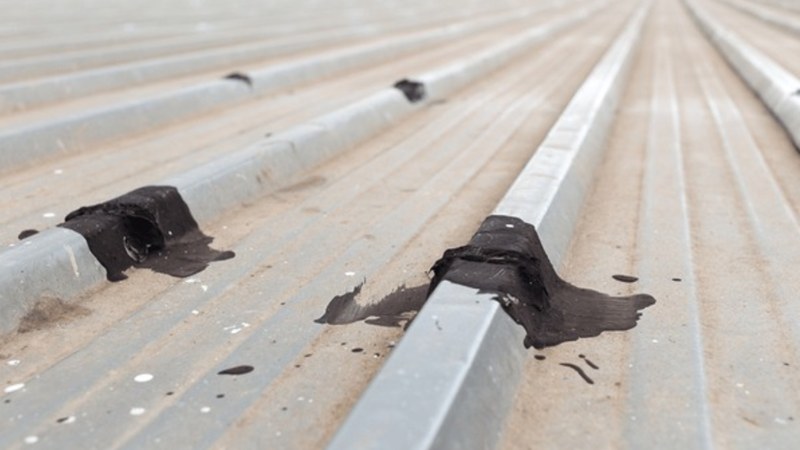
A leaking roof often shows warning signs long before water starts dripping from the ceiling. Common indicators include water stains, musty odors, damaged shingles, and unexplained increases in indoor moisture. Identifying these signs early can help prevent expensive structural repairs and interior damage.
Roof leaks can develop gradually due to aging materials, storm damage, clogged gutters, or poor installation. Because water can travel along beams and insulation before becoming visible, the source of a leak is not always directly above the area where damage appears.
Roofing issues are common in regions that experience heavy rain, snow, or strong seasonal storms. Homeowners who notice signs of moisture should consider having their roof inspected by professionals such as Krech Exteriors to determine the cause and prevent further deterioration.
Common Signs of a Roof Leak
One of the earliest signs of a roof leak is a water stain on ceilings or walls. These stains often appear as yellow, brown, or copper-colored patches and may grow larger after rainfall.
Another warning sign is peeling paint, bubbling drywall, or warped ceiling materials. Moisture trapped behind surfaces can weaken building materials and lead to more extensive repairs if left untreated.
A persistent musty odor can be another warning sign of a roof leak. When water enters the attic, ceiling, or wall cavities, it can remain hidden for weeks before visible damage appears. The U.S. Centers for Disease Control and Prevention (CDC) notes that damp indoor environments can encourage mold growth, which is why unexplained moisture should never be ignored.
Can the Attic Reveal Hidden Roof Problems?
Your attic is often the best place to check for signs of a roof leak. Dark water marks on rafters, damp insulation, or visible mold growth may indicate that water is entering through the roof system.
During daylight hours, look for small beams of light coming through the roof boards. These openings can allow water to enter during storms and should be repaired as soon as possible.
Regular attic inspections can help homeowners identify developing problems before they become major leaks. Even minor moisture intrusion can gradually damage insulation and wooden framing.
Causes of Roof Leak
Some roof leaks are obvious, while others remain hidden for weeks before visible damage appears. Water can travel through insulation and framing, making early warning signs easy to miss.
Flashing around chimneys, skylights, and roof vents can also deteriorate over time. When flashing fails, water can enter through gaps that are difficult to spot from the ground.
Additionally, clogged gutters may force water to back up under roofing materials. The Federal Emergency Management Agency (FEMA) recommends maintaining roofs and drainage systems to reduce the risk of weather-related property damage.
What Should You Do If You Suspect a Leak?
If you suspect a roof leak, document any visible signs of damage and monitor whether the problem worsens after rain. Placing a container beneath active drips can help minimize interior damage until repairs are completed.
Avoid climbing onto the roof yourself unless you have proper safety equipment and experience. Wet roofing surfaces can be extremely dangerous and may worsen existing damage.
Scheduling a professional inspection is often the most effective way to locate the source of a leak. Early intervention can prevent structural deterioration, insulation damage, and costly repairs down the road.
Key Takeaways
- Water stains on ceilings and walls are common signs of a roof leak.
- Musty odors, peeling paint, and warped drywall may indicate hidden moisture.
- Attics often reveal leaks through damp insulation, mold, or water-stained rafters.
- Damaged shingles, failed flashing, and clogged gutters are leading causes of leaks.
- The CDC notes that excess moisture can contribute to mold growth indoors.
- FEMA recommends maintaining roofs and drainage systems to reduce weather-related damage.
- Prompt inspections and repairs help prevent larger structural problems and higher costs.