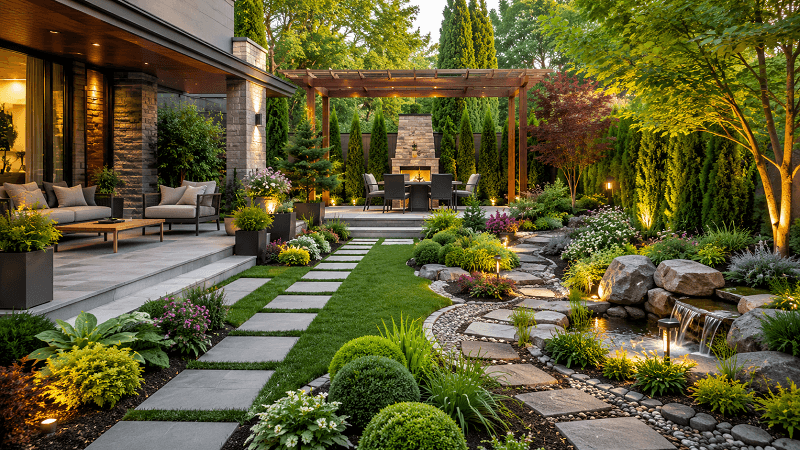
A well-designed landscape has the power to transform an ordinary outdoor area into a beautiful, comfortable, and functional extension of your home. Whether you have a spacious backyard, a cozy front lawn, or a compact garden, the right landscaping ideas can improve your property’s appearance, increase its value, and create a relaxing environment for family and friends.
In this comprehensive guide, we’ll explore the best ideas for landscaping KDArchistyle to help you design an outdoor space that reflects your personality while remaining practical and sustainable. From planning and plant selection to lighting, hardscaping, and maintenance, this guide covers everything you need to know.
What Is Landscaping?
Landscaping is the process of designing, arranging, and improving outdoor spaces by combining natural elements like plants, trees, flowers, and lawns with structural features such as pathways, patios, retaining walls, fences, and water features.
A successful landscape balances beauty, functionality, and environmental responsibility. Instead of simply planting flowers, landscaping focuses on creating an outdoor environment that suits your lifestyle while complementing your home’s architecture.
Why Landscaping Is Important
A thoughtfully designed landscape offers numerous benefits beyond visual appeal.
Improves Curb Appeal
The exterior of your home creates the first impression. Attractive landscaping instantly enhances your property’s appearance and makes it more welcoming.
Increases Property Value
Professionally planned outdoor spaces often increase the resale value of residential properties. Buyers are naturally attracted to homes with beautiful gardens and functional outdoor living areas.
Creates Functional Spaces
Landscaping allows homeowners to create outdoor dining areas, children’s play zones, entertainment spaces, vegetable gardens, or peaceful relaxation corners.
Supports the Environment
Trees, shrubs, and native plants improve air quality, reduce soil erosion, attract pollinators, and help regulate outdoor temperatures.
Enhances Mental Well-Being
Green spaces have been shown to reduce stress and encourage relaxation. Spending time outdoors surrounded by nature promotes better physical and mental health.
Planning Before You Start
Every successful landscaping project begins with careful planning.
Before purchasing plants or materials, consider the following:
- Measure your outdoor area.
- Identify sunny and shaded locations.
- Observe drainage patterns after rainfall.
- Determine your budget.
- Define the purpose of your landscape.
- Consider long-term maintenance requirements.
- Choose a style that complements your home.
A detailed plan helps avoid unnecessary expenses and creates a more cohesive design.
Popular Landscaping Styles
Modern Landscaping
Modern landscapes feature clean lines, geometric shapes, minimalist planting, concrete pathways, and contemporary outdoor furniture.
Traditional Landscaping
Traditional gardens include symmetrical layouts, colorful flower beds, decorative hedges, stone pathways, and elegant fountains.
Cottage Garden
Cottage gardens are filled with colorful flowers, climbing plants, winding paths, and a relaxed natural appearance.
Tropical Landscape
Palm trees, large leafy plants, natural stone, water features, and lush greenery create a vacation-inspired outdoor environment.
Japanese Garden
Japanese landscaping focuses on simplicity, balance, rocks, water, ornamental trees, and peaceful meditation spaces.
Mediterranean Style
Gravel pathways, olive trees, lavender, terracotta pots, and drought-resistant plants define Mediterranean landscapes.
Choosing the Right Plants
Selecting suitable plants is essential for long-term success.
Consider:
- Local climate
- Soil quality
- Water availability
- Sunlight exposure
- Mature plant size
- Seasonal appearance
Mix different plant types to create depth and visual interest.
Examples include:
- Shade trees
- Flowering shrubs
- Evergreen plants
- Ground covers
- Ornamental grasses
- Seasonal flowers
- Native species
Native plants generally require less maintenance while supporting local wildlife.
Lawn Design Tips
A healthy lawn provides the perfect foundation for your landscape.
To maintain a beautiful lawn:
- Water deeply rather than frequently.
- Mow at the correct height.
- Fertilize when needed.
- Remove weeds promptly.
- Improve drainage where necessary.
- Aerate compacted soil.
For water conservation, consider reducing lawn size and replacing some areas with decorative plants or gravel gardens.
Hardscaping Elements
Hardscaping refers to the non-living features within a landscape.
Popular hardscape options include:
Walkways
Stone, brick, or concrete pathways improve accessibility while adding visual structure.
Patios
Patios create ideal spaces for outdoor dining, entertaining, or relaxing.
Retaining Walls
Retaining walls prevent erosion while adding dimension to sloped landscapes.
Decks
Wooden or composite decks provide additional outdoor living space.
Garden Borders
Stone or brick edging defines planting beds and keeps lawns looking neat.
Pergolas
Pergolas provide shade while serving as elegant focal points for outdoor seating areas.
Outdoor Lighting Ideas
Lighting extends the usability of outdoor spaces after sunset.
Consider installing:
- Pathway lights
- Spotlights
- Deck lighting
- Solar-powered garden lights
- String lights
- Wall-mounted fixtures
- Tree uplighting
Layering different lighting types improves both safety and atmosphere.
Water Features
Water features introduce movement and tranquility.
Popular options include:
- Garden fountains
- Fish ponds
- Small waterfalls
- Reflecting pools
- Bubbling rocks
Even compact gardens can accommodate small water features.
Landscaping for Small Yards
Limited space doesn’t limit creativity.
Maximize small gardens by:
- Using vertical planters.
- Installing wall gardens.
- Selecting compact shrubs.
- Creating curved pathways.
- Using mirrors strategically.
- Adding built-in seating.
- Choosing multi-purpose furniture.
Avoid overcrowding the space with too many decorative elements.
Sustainable Landscaping
Eco-friendly landscaping benefits both homeowners and the environment.
Sustainable practices include:
- Installing drip irrigation.
- Collecting rainwater.
- Planting drought-tolerant species.
- Composting yard waste.
- Reducing chemical fertilizers.
- Using mulch to retain moisture.
- Planting native vegetation.
These methods reduce maintenance costs while conserving natural resources.
Seasonal Landscaping Tips
Spring
- Plant flowers.
- Fertilize lawns.
- Prune shrubs.
- Refresh mulch.
Summer
- Water deeply.
- Remove weeds.
- Inspect irrigation systems.
- Trim fast-growing plants.
Autumn
- Plant trees.
- Collect leaves.
- Prepare gardens for winter.
- Divide perennials.
Winter
- Protect sensitive plants.
- Clean garden tools.
- Plan future improvements.
- Inspect hardscaping for damage.
Common Landscaping Mistakes
Avoid these common errors:
- Planting trees too close to buildings.
- Ignoring drainage issues.
- Choosing plants unsuitable for the climate.
- Overwatering.
- Neglecting maintenance.
- Planting without considering mature growth.
- Overcrowding flower beds.
Proper planning helps prevent costly corrections later.
Budget-Friendly Landscaping Ideas
Beautiful landscapes don’t always require large budgets.
Affordable improvements include:
- Planting native flowers.
- Using gravel instead of expensive paving.
- Creating mulch pathways.
- Reusing bricks and stones.
- Building DIY raised beds.
- Growing plants from seeds.
- Dividing existing perennials.
- Installing solar lighting.
Small improvements completed over time often produce impressive results.
Landscaping Trends
Current landscaping trends include:
- Outdoor kitchens
- Smart irrigation systems
- Pollinator gardens
- Native planting
- Vertical gardens
- Edible landscapes
- Fire pits
- Sustainable materials
- Wildlife-friendly gardens
- Natural stone pathways
These ideas combine functionality with environmental responsibility.
Maintenance Tips
A landscape remains beautiful through regular care.
Essential maintenance tasks include:
- Weekly mowing
- Seasonal pruning
- Weed control
- Mulching
- Fertilizing
- Pest monitoring
- Cleaning pathways
- Maintaining irrigation systems
Creating a simple maintenance schedule makes these tasks easier to manage.
How to Design Your Dream Landscape
Follow these simple steps:
- Assess your outdoor space.
- Set a realistic budget.
- Define your goals.
- Choose a landscaping style.
- Select suitable plants.
- Add hardscape features.
- Install lighting.
- Improve drainage.
- Include decorative focal points.
- Maintain your landscape consistently.
By following a structured plan, you’ll create an outdoor area that remains attractive for years.
Final Thoughts
Creating a beautiful outdoor space doesn’t require professional expertise—it requires thoughtful planning, creativity, and consistent care. Whether you’re redesigning a backyard, upgrading your front yard, or starting from scratch, the right landscape combines beauty with functionality.
The best ideas for landscaping KDArchistyle focus on balancing plants, hardscaping, lighting, sustainability, and personal style. Every outdoor space is unique, so don’t be afraid to experiment with layouts, textures, and greenery that reflect your vision. By investing time in proper planning and ongoing maintenance, you can build an inviting landscape that enhances your home’s value and provides enjoyment throughout every season.
With inspiration, patience, and smart design choices, your outdoor area can become a peaceful retreat where nature and architecture work together in perfect harmony. Whether your project is large or small, applying these ideas for landscaping KDArchistyle will help you create a landscape that is both timeless and practical for years to come.