
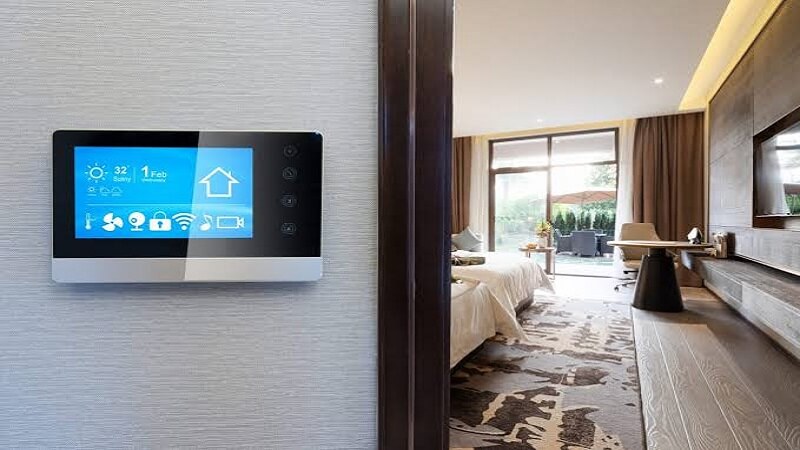
Security tech has come a long way from the beige keypad by the front door. These days it’s cameras, sensors, and apps that actually look like they belong in a house someone designed on purpose.
The good news for homeowners is you don’t have to choose between a clean, modern look and a house that’s actually protected. A lot of the newer gear, from wireless cameras to a proper alarm monitoring service, was built with exactly that tension in mind.
Design and Security Aren’t Fighting Each Other Anymore
Older systems were clunky. Visible wires, boxy panels, cameras that looked like they belonged on a loading dock, not a living room wall.
That’s changed. Companies making this stuff finally realized homeowners care what it looks like, not just what it does.
A few reasons this shift happened:
- Open concept and minimalist homes leave fewer spots to hide bulky equipment
- Smart features are basically expected in new construction now
- Home buyers actively look for this stuff when touring listings
Wireless Cameras Just Fit Better
A wireless security system camera is honestly one of the simplest upgrades if your home leans modern. No cable runs through the walls, no visible wiring along the trim.
What makes them a good fit:
- Small, low profile bodies that mount flush against siding or ceilings
- Battery or solar power, so you’re not stuck finding an outlet near your front door
- Finishes in black, white, or bronze that actually match modern hardware
- Everything runs through an app, so there’s no bulky monitor taking up space anywhere
Placement still matters more than people think. Front door, back entry, driveway, side gate — those are where most activity happens, so start there.
Home Alarm Systems Aren’t Just Smaller Now, They’re Smarter
There’s an assumption that home alarm systems are basically the same tech from twenty years ago, just repackaged. Not really true anymore.
Modern systems do a lot more than sound off when a door opens. Most now include:
- Motion sensors that can actually tell the difference between your dog and an intruder
- Glass break detection for windows
- Smoke and carbon monoxide monitoring built into the same panel
- Full control from your phone, including arming and disarming remotely
If your home has a lot of glass, which is common in a lot of modern builds, glass break sensors are worth putting near the top of your list. All that natural light is nice, but it’s also an easy way in.
Where an Alarm Monitoring Service Actually Comes In
Cameras and sensors are great at noticing something’s wrong. But noticing isn’t the same as doing something about it, and that’s the gap an alarm monitoring service fills.
An alarm monitoring service keeps an eye on your system all day and night, and reaches out to emergency services if something trips and nobody responds. That matters most in situations like:
- You’re traveling and not glued to your phone
- You’re asleep and miss the alert entirely
- Something happens while the house is empty
Self monitoring is an option too, where alerts go straight to you and you decide what to do next. It works fine for some people, but it only works if you actually catch the alert in time.
A Few Placement Tips Worth Following
Security gear works a lot better when someone actually thinks about where it goes, instead of just sticking it wherever’s convenient.
- Mount cameras at entry points where they can see clearly, without blocking sightlines
- Pick sensors in colors that match your window and door frames
- Keep the control panel somewhere like a mudroom or hallway, not your main living space
- Match smart lock finishes to your existing door hardware
None of this needs a renovation. Most of it just comes down to picking decent hardware and putting a little thought into where it goes.
What to Check Before You Buy Anything
A few questions worth answering before you commit to a system:
- Does it support both indoor and outdoor cameras
- Is professional monitoring available, and what’s the monthly cost
- Will it work with smart locks, lighting, or a thermostat you already have
- How long do the batteries actually last on the wireless components
- What happens if your power or internet goes down
Getting these answers upfront saves you a headache later, especially after installation when it’s harder to switch things around.
FAQs
Do wireless cameras hold up as well as wired ones?
For most homes, yes. Wireless cameras have gotten a lot better and the video quality holds up fine. Wired setups still win if you need nonstop recording without worrying about battery life.
Is paying for monitoring actually worth it?
It depends on your life, honestly. If you travel a lot or aren’t always checking your phone, having someone else watching matters more than it might seem.
Can I add cameras without swapping out my whole alarm system?
Usually, yes. A lot of wireless cameras work fine on their own or can be tied into an existing setup, depending on the brand.
Will security equipment mess up my home’s exterior look?
Not if you’re picking finishes that match your color scheme and putting some thought into where things go. Most current models were built to stay in the background.
How often should I be testing my alarm system?
Most manufacturers say monthly for sensors and alarms, and every few months for battery checks, just to make sure everything’s actually working when you need it.