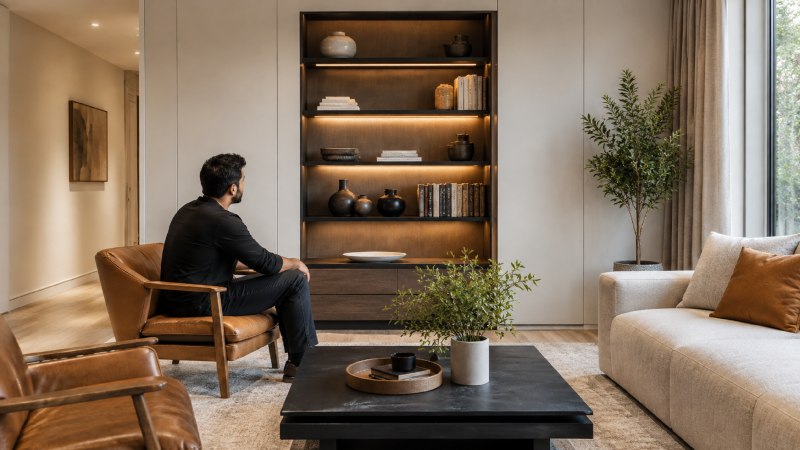
In an era where living spaces continue to shrink and possessions multiply, the challenge of maintaining order has never been more pressing. The modern home demands solutions that go beyond simple tidiness—it requires a thoughtful approach to spatial design that honors both function and aesthetics. Whether you’re dealing with a sprawling house or a compact apartment, the principles of effective space management remain universal: every item needs a designated place, and every square foot must work harder to accommodate our evolving lifestyles.
The difference between a chaotic home and a serene sanctuary often comes down to intelligent storage choices. Professional organizers and interior designers have long understood that successful home organization isn’t about deprivation or minimalism—it’s about creating systems that allow you to access what you need when you need it, while maintaining visual harmony throughout your living environment. When you partner with experts like Organized Living, you gain access to customized solutions that transform problem areas into showcases of efficiency, proving that practical storage can be both beautiful and transformative for your daily routine.
Understanding the Psychology Behind Clutter
Before diving into organizational strategies, it’s essential to understand why clutter accumulates in the first place. Research in environmental psychology suggests that disorganized spaces create cognitive overload, diminishing our ability to focus and increasing stress levels. The visual noise of scattered belongings competes for our attention, draining mental energy that could be directed toward more meaningful pursuits. This phenomenon explains why walking into a well-organized room produces an immediate sense of calm—our brains respond positively to visual order and predictability.
Furthermore, attachment to possessions often stems from emotional connections rather than practical utility. We hold onto items because they represent memories, aspirations, or investments we’re reluctant to abandon. Recognizing these psychological patterns helps us make more rational decisions about what to keep, what to donate, and what organizational infrastructure we truly need. The goal isn’t to eliminate sentiment from our homes, but to curate our surroundings so that meaningful items receive the prominence they deserve rather than drowning in a sea of forgotten objects.
Vertical Space: The Overlooked Frontier
One of the most underutilized resources in any home is vertical space. While floor area feels finite and precious, walls offer abundant opportunities for storage expansion without sacrificing precious square footage. Wall-mounted shelving systems provide extraordinary versatility, adapting to various room functions and aesthetic preferences. From the kitchen to the bedroom, vertical storage solutions transform dead space into productive real estate. For comprehensive guidance on implementing these systems throughout your home, explore this detailed resource on wall-mounted shelving for every room, which breaks down options by space type and usage pattern.
Strategic Placement for Maximum Impact
The effectiveness of vertical storage depends heavily on strategic placement. High shelves work well for seasonal items or rarely-used possessions, while mid-level storage should house frequently accessed objects. Lower shelves and drawers are ideal for heavy items or those requiring easy access. This hierarchical approach to storage creates an intuitive system where retrieval becomes second nature. Consider traffic flow when positioning storage units—avoid placing frequently accessed items in spots that require awkward reaching or create bottlenecks in high-traffic areas.
Color coordination and container selection further enhance the functionality of vertical storage. Uniform containers create visual cohesion and make it easier to identify contents at a glance. Clear bins work well for items you need to see immediately, while opaque containers maintain a cleaner aesthetic for less visually appealing necessities. Labels complete the system, eliminating guesswork and ensuring that everyone in the household can maintain the organizational structure you’ve created.
Closet Systems: Beyond Basic Hanging Rods
The traditional closet with a single rod and shelf represents a massive waste of potential storage capacity. Modern closet systems multiply functionality by introducing multiple hanging heights, adjustable shelving, specialized racks for shoes and accessories, and drawer units that transform closets into comprehensive wardrobe management centers. These systems recognize that different garment types require different storage solutions—folded sweaters need different accommodation than hanging dresses, and accessories demand their own dedicated spaces to prevent tangling and damage.
Professional closet design begins with inventory assessment. Counting hanging garments, folded items, shoes, and accessories provides the data needed to design a system with appropriate proportions. Many people discover they’re allocating too much space to one category while cramming another into inadequate quarters. A well-designed closet system balances these needs while building in flexibility for seasonal rotation and wardrobe evolution. For inspiration on accessory integration and specialized storage solutions, specialized closet accessories demonstrate how targeted additions can exponentially improve functionality.
Seasonal Rotation Strategies
Implementing seasonal rotation prevents closets from becoming overwhelmed with off-season garments that serve no immediate purpose. This practice involves storing winter coats during summer months and tucking away linen shorts when temperatures drop. The rotation process offers a natural opportunity to assess each item’s condition and continued relevance to your wardrobe. Items that haven’t been worn in a full year become candidates for donation, creating space for pieces you’ll actually use.
The Kitchen: Command Center of Home Organization
Kitchens present unique organizational challenges due to the sheer variety of items they must accommodate. From small appliances to cookware, from dry goods to fresh produce, from utensils to serving pieces, the kitchen demands storage solutions that balance accessibility with efficiency. The most successful kitchen organizations follow the principle of zones—creating dedicated areas for food preparation, cooking, cleanup, and storage that minimize unnecessary movement and create logical workflows.
Drawer dividers transform chaotic utensil jumbles into orderly arrangements where every tool has its designated slot. Pull-out shelving in lower cabinets eliminates the need to crouch and rummage through deep spaces. Lazy Susans maximize corner cabinet utility, while vertical dividers keep baking sheets and cutting boards neatly filed rather than stacked in precarious towers. These seemingly small interventions compound to create kitchens that function smoothly even during the chaos of meal preparation.
Building Systems That Last
The difference between temporary tidiness and lasting organization lies in creating systems that can be maintained with minimal effort. This requires honest assessment of your habits and lifestyle rather than aspirational thinking about who you wish you were. If you’ve never been someone who folds clothes immediately after laundry, designing a system that depends on immediate folding sets you up for failure. Instead, create landing zones and simplified processes that accommodate your natural tendencies while still maintaining order.
Sustainability in organization also means building in margin—leaving some empty space rather than filling every available inch. This breathing room provides flexibility for new acquisitions and prevents the immediate return to chaos when life gets busy. Systems should feel supportive rather than restrictive, creating freedom through structure rather than imposing additional burdens on already full schedules.
Crafting Your Organizational Blueprint
Embarking on a comprehensive home organization project requires careful planning and realistic timelines. Rather than attempting to transform every space simultaneously, focus on one room or zone at a time, fully completing each area before moving to the next. This approach provides the satisfaction of visible progress while preventing the overwhelm that comes from having the entire house in disarray simultaneously. Document your systems through photos or written guides so that maintaining them becomes straightforward even months later.
Remember that organization is not a destination but an ongoing practice. As life circumstances change—whether through growing families, career shifts, or evolving interests—your organizational systems must adapt accordingly. Regular quarterly reviews help identify what’s working and what needs adjustment, keeping your home aligned with your current reality rather than past needs. The investment in thoughtful organization pays dividends daily through reduced stress, increased efficiency, and the simple pleasure of living in a space that truly serves your life rather than complicating it.