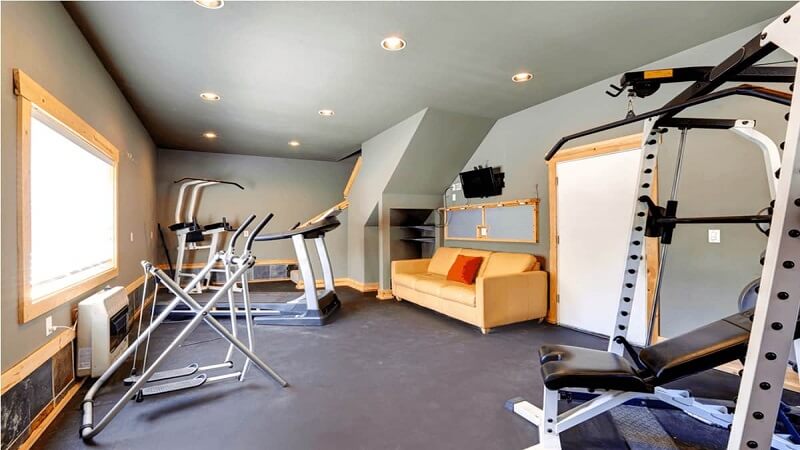
Unused bedrooms represent untapped income potential in your home. As the wellness economy continues explosive growth – now valued at over $4.5 trillion globally – opportunities exist for homeowners to monetize spare space by offering wellness services. Converting a spare bedroom into a professional wellness studio can generate substantial supplemental income while leveraging skills and interests you already possess.
Home – based wellness businesses offer flexibility, low overhead, and the satisfaction of helping others improve their health. If you’re looking for retirement income, supplemental earnings alongside full – time work, or a pathway to entrepreneurial independence, a home wellness studio can provide viable income streams with manageable startup costs.
Understanding Regulations and Requirements
Before investing in renovations or equipment, research local zoning laws and business regulations. Many residential areas allow home – based businesses with certain restrictions on signage, parking, client volume, and hours of operation. Check both municipal zoning codes and homeowners association rules if applicable.
Business licensing requirements vary by jurisdiction and service type. Massage therapy, for example, typically requires state licensure and liability insurance with specific coverage minimums. Yoga instruction, personal training, and wellness coaching usually have less stringent requirements but may still require business registration and insurance.
Insurance is non – negotiable. General liability coverage protects against client injuries on your property, while professional liability (errors and omissions) covers claims related to services provided. Annual premiums typically range from $500-$2,000 depending on services offered and coverage limits.
Parking and access deserve early consideration. Can clients park easily without disturbing neighbors? Is there a separate entrance, or will clients enter through your main living areas? These practical concerns significantly impact both client experience and neighborhood relationships.
Wellness Studio Service Concepts
Massage Therapy Room
Licensed massage therapists can generate excellent income from home studios. Pricing typically ranges from $50-$120 per hour depending on location, specialization, and experience. A therapist working just 20 hours weekly at moderate rates can generate $40,000-$60,000 annually.
Professional massage tables represent your primary investment – quality electric or hydraulic tables cost $1,500-$3,000 but provide decades of service. Ambiance matters tremendously in massage environments. Install dimmer – controlled lighting, a quality sound system for relaxing music, and ensure complete privacy with solid doors and window treatments.
Soundproofing between your studio and living areas protects both client privacy and household peace. Add insulation in walls and install solid – core doors to minimize sound transmission. Storage for linens, oils, and equipment keeps the space professional and organized.
Booking and payment systems streamline operations. Software like Acuity or Mindbody handles scheduling, payments, and automated reminders, reducing administrative burden while providing professional client experiences.
Yoga and Pilates Studio
Small – group yoga or Pilates classes offer scalable income opportunities. Private sessions might command $50-$75 per hour, while small groups (3-6 people) can generate $75-$150 per session with pricing of $25-$30 per participant.
Flooring is your major investment – quality cork, bamboo, or foam flooring costs $5-$12 per square foot and protects both clients and your home’s structure. Mirror walls, while optional, help participants check alignment and form. Professional studio mirrors cost $100-$300 for 4×6 foot sections.
Props and equipment – mats, blocks, straps, bolsters, light weights – represent ongoing investments of $500-$1,500 as you build inventory. Purchase quality items that withstand frequent use rather than consumer – grade equipment that deteriorates quickly.
Virtual class capabilities expand your potential market beyond local clients. A good camera, ring light, and microphone ($300-$800 total) enable streaming classes to remote participants, creating additional revenue streams without additional studio time.
Infrared Sauna Rental Services
Perhaps the most innovative home wellness business model is offering infrared sauna rental sessions. This service concept has grown dramatically as people recognize sauna health benefits but lack space or budget for personal units. Home – based sauna studios fill this gap beautifully.
Infrared saunas are uniquely suited to rental business models for several compelling reasons. Sessions are time – limited – typically 30-45 minutes – allowing you to serve multiple clients daily without overwhelming your schedule. The service requires minimal supervision once clients understand basic operation, freeing you for other activities.
Premium pricing is standard in this market. Urban markets commonly charge $35-$75 per session, with package deals (10 sessions for $300-$600) encouraging repeat visits. Monthly unlimited memberships at $200-$400 create predictable recurring revenue.
The business model economics are attractive. A quality two – person sauna from brands like Revive sauna costs $3,000-$6,000. Operating costs are minimal – electricity at $0.20-$0.50 per session plus cleaning supplies. At just 3-4 sessions daily at $50 per session, monthly revenue reaches $4,500-$6,000. After covering modest overhead, potential monthly profit of $3,000-$5,000 is achievable.
Setup requirements are straightforward. Adequate ventilation and climate control prevent humidity issues between sessions. Implement strict cleaning protocols – wiping down interior surfaces with appropriate cleaners between each client ensures hygienic experiences. Provide a small changing area with hooks, a bench, and perhaps a privacy screen.
Proximity to shower facilities enhances the service significantly. The traditional pattern of hot sauna followed by cool shower creates the full wellness experience many clients seek. If your converted bedroom shares a bathroom with household areas, establish clear scheduling to ensure client privacy.
Create a relaxing waiting area with comfortable seating, water, and perhaps light refreshments. This transitional space allows clients to arrive slightly early without pressure while creating a professional atmosphere that justifies premium pricing.
Marketing sauna services requires education – many potential clients don’t fully understand infrared sauna benefits. Provide clear information about detoxification, circulation improvement, muscle recovery, and stress reduction. Emphasize the differences between infrared and traditional saunas to position your service correctly.
Partnership opportunities with local health practitioners – physical therapists, chiropractors, personal trainers, wellness coaches – create referral networks. These professionals often recommend sauna therapy for clients but lack facilities themselves. Referral fees or reciprocal arrangements build steady client flows.
Meditation and Breathwork Studio
Guided meditation and breathwork sessions require minimal equipment while addressing growing interest in mental health and stress management. Group sessions can serve 4-8 participants comfortably in most bedrooms, with pricing of $20-$35 per person generating $80-$280 per session.
Private sessions command higher rates-$75-$150 per hour – and appeal to individuals seeking personalized guidance. Some practitioners combine meditation instruction with life coaching or spiritual counseling for premium positioning.
Equipment costs are minimal – quality meditation cushions ($50-$100 each), perhaps a singing bowl or chimes, and appropriate lighting. The major investment is your training and expertise rather than physical equipment.
Virtual delivery works exceptionally well for meditation and breathwork, potentially reaching clients nationwide or internationally. This scalability allows building revenue beyond local market constraints.
Essential Business Infrastructure
Establish proper business structure – typically LLC formation – to separate personal and business liability. This legal protection is crucial when inviting clients into your home. Formation costs vary by state but generally run $100-$500 plus annual maintenance fees.
Liability insurance deserves emphasis beyond basic mention. Purchase coverage appropriate to services offered, typically $1-$2 million in coverage limits. Work with insurance agents specializing in wellness businesses to ensure adequate protection.
Scheduling and payment systems provide professional client experiences while reducing administrative burden. Platforms like Acuity, Mindbody, or Vagaro cost $15-$100 monthly but handle booking, payments, automated reminders, and client communications seamlessly.
Marketing strategy begins with Google My Business listings – free and essential for local service businesses. Optimize your listing with accurate information, appealing photos, and regular posts. Encourage satisfied clients to leave reviews, as these significantly influence prospective client decisions.
Social media presence builds awareness and community. Share educational content, client success stories (with permission), and behind – the – scenes glimpses of your studio. Consistent posting establishes expertise and keeps your business visible to potential clients.
Local wellness directories and partnership with complementary practitioners create referral networks. Many successful home studio owners generate most business through word – of – mouth and professional referrals rather than paid advertising.
Pricing structure development requires market research. Survey competitors, understanding what similar services command in your area. Factor in your expertise, credentials, and any unique offerings that justify premium positioning. Package deals and memberships encourage commitment while creating revenue predictability.
Client intake forms and waivers protect your business while gathering information that lets personalized service. Digital intake forms streamline this process while maintaining professional organization.
Studio Design and Client Experience
Professional atmosphere is crucial despite the home setting. Create clear separation between your personal living areas and client spaces. Clients should never feel like they’re intruding on your home – the studio should feel like a professional wellness environment that happens to be in a residential building.
Bathroom facilities accessible without entering living areas are ideal. If this isn’t possible, maintain exceptional cleanliness and remove personal items during business hours.
Climate control lets year – round comfort. Ensure heating and cooling adequately serve your studio space independently from home settings that might differ from client needs.
Sound management works two directions – preventing household noise from disturbing clients while ensuring client privacy from family members. Soundproofing investments pay dividends in professional atmosphere.
Storage solutions keep equipment organized and accessible while maintaining clean, uncluttered aesthetics. Built – in cabinets, attractive shelving, or decorative storage pieces serve functional needs without compromising design.
Financial Projections and Growth
Initial investments vary by service type but typically range from $3,000-$15,000. Massage therapy requires the most investment in equipment, while meditation studios need minimal startup capital. Sauna rental businesses fall in the middle with equipment costs of $4,000-$8,000 plus minor renovations.
Monthly overhead remains modest compared to commercial space rental. Insurance ($50-$200 monthly), supplies ($50-$300), software ($15-$100), and marketing ($100-$500) represent typical ongoing costs. Without rent or major utilities, profit margins on service revenue can exceed 70-80%.
Break – even typically occurs within 6-12 months for part – time operations. Full – time wellness studios often achieve profitability within 3-6 months as client bases build through referrals and reputation.
Scaling opportunities include expanding hours, raising rates as expertise and demand grow, adding complementary services, or eventually moving to commercial space while maintaining the home studio for private clients.
Tax advantages of home – based businesses include deductions for the business – use portion of your home, equipment depreciation, supplies, insurance, and vehicle use for business purposes. Consult tax professionals to maximize legitimate deductions while maintaining compliance.
Building Sustainable Income
Converting spare bedrooms into wellness studios offers genuine income potential while serving your community’s health needs. The combination of growing wellness demand, relatively low overhead, and flexible scheduling makes home wellness businesses viable for diverse situations – retirees seeking purpose and income, parents wanting flexible work, or wellness professionals building independent practices.
Success requires balancing professional service delivery with appropriate boundaries. Establish clear operating hours, maintain separation between personal and business spaces, and develop systems that prevent business demands from overwhelming your personal life.
Start part – time while building your client base and reputation. Many successful home studio owners began with evening or weekend sessions while maintaining other income sources, gradually transitioning to full – time wellness work as demand grew.
The wellness industry’s trajectory suggests continued growth and opportunity. Home – based studios offer accessible entry points into this expanding market while providing the profound satisfaction of helping others improve their health and wellbeing. With proper planning, appropriate investment, and commitment to excellence, your spare bedroom can become both a source of meaningful income and a genuine asset to your community.