
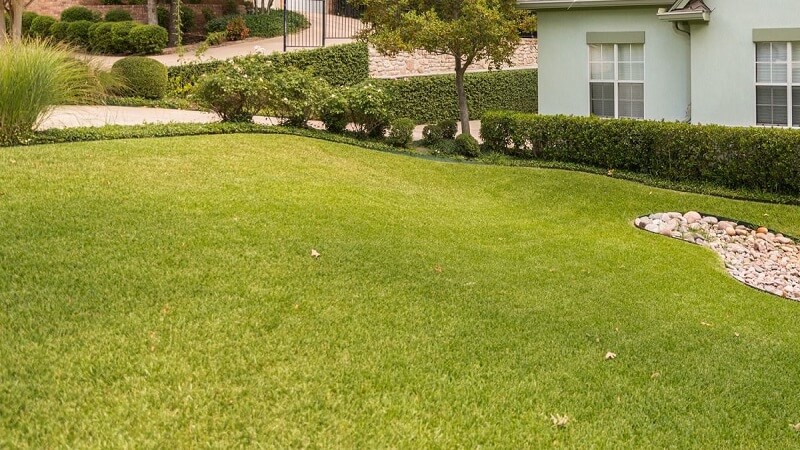
North Texas presents a unique mix of heat, drought, and unpredictable weather that directly shapes how lawns and gardens grow. Many common landscaping approaches fail here because they are designed for milder or more consistent climates.
Why do some yards stay healthy while others struggle despite similar care? The answer usually comes down to how well the approach matches the environment. Understanding how climate influences soil, water, and plant choices helps you make decisions that lead to stronger, more resilient results.
What Makes North Texas Weather So Challenging?
North Texas is defined by long, hot summers that often stretch for months without meaningful rainfall. Temperatures regularly climb into the upper 90s and beyond, and the combination of heat and dry air speeds up evaporation from both soil and plant surfaces.
This means lawns and gardens lose moisture faster than many homeowners expect. Even when it does rain, the water may not stay in the soil long enough to make a lasting difference.
Winters are generally mild, but they come with occasional cold snaps that can catch plants off guard. One week might feel like early spring, and the next could bring a sudden freeze, how do plants adapt to that kind of unpredictability?
Rainfall patterns add another layer of difficulty, with periods of heavy rain followed by extended dry spells. These swings force plants to constantly adjust, which can weaken them over time. Understanding this pattern is the first step toward making smarter decisions about what and how you grow.
The Soil and What’s Happening Beneath the Surface
Soil in North Texas is often clay-heavy, which creates a unique set of challenges for both lawns and gardens. Clay soil holds water well, but it also compacts easily, making it difficult for roots to spread and access oxygen.
During dry periods this type of soil can harden significantly, almost forming a barrier that limits root growth. When it rains, water may sit on the surface rather than soaking in properly.
Improving soil structure is one of the most effective ways to support plant health in this region. Adding organic matter like compost can help loosen compacted soil and improve both drainage and moisture retention.
Why does this matter so much? Because healthy soil creates a stable environment where roots can grow deeper and stronger. Over time, even small improvements in soil quality can lead to noticeable differences in how well your lawn and garden handle stress.
Picking the Right Grass
Not all grass types can handle the extreme conditions found in North Texas, which is why warm-season grasses are the most common choice. These grasses are built to thrive in heat and can go dormant during cooler months without long-term damage.
Some varieties are especially durable and recover quickly from foot traffic, while others are better suited for shaded areas. If you’re unsure where to start, stopping by a grass store in DFW can give you a clearer idea of which varieties are actually suited for local soil and weather conditions. Choosing the right type depends on how your yard is used and how much sun it receives throughout the day.
Cool-season grasses, on the other hand, often struggle to survive the intense summer heat. They may look good during the cooler months, but once temperatures rise, they require more water and maintenance to stay alive.
Is it worth the extra effort and resources to keep them going? For most homeowners in this region, the answer is no. Sticking with grasses that are naturally adapted to the climate leads to better results with less effort over time.
Watering Smarter, Not More
Watering habits can make or break a lawn or garden in North Texas, especially during the peak of summer. Many people assume that more water equals healthier plants, but that approach often leads to shallow root systems.
Deep, infrequent watering encourages roots to grow deeper into the soil, making plants more resilient during dry periods. This method also reduces water waste, which becomes especially important during drought restrictions.
Timing is just as important as the amount of water you use. Watering early in the morning allows moisture to reach the roots before the heat of the day causes rapid evaporation. Watering later in the day might seem convenient, but much of that moisture can be lost before plants can fully absorb it.
How can you tell if your routine is working? Signs like consistently moist soil at root level and steady plant growth are good indicators, while soggy patches or wilting despite frequent watering suggest adjustments are needed.
Choosing Plants That Won’t Struggle to Survive
Plant selection plays a major role in how successful your garden will be in North Texas. Native and drought-tolerant plants are naturally adapted to the region’s climate, which means they require less water and maintenance once established. These plants are built to handle intense sun, fluctuating temperatures, and periods of limited rainfall. As a result, they tend to stay healthier and more consistent throughout the year.
Some plants may look appealing at first but struggle to survive in these conditions because they rely on higher humidity or constant moisture. Why invest time and effort into plants that are fighting an uphill battle from the start?
Choosing species that match the environment reduces the need for constant intervention. Over time, this approach leads to a more sustainable and manageable garden that still looks vibrant and well cared for.
How Heat and Sun Really Impact Your Yard
Extreme heat and direct sun exposure put significant stress on both lawns and garden plants. High temperatures can slow growth, cause discoloration, and increase water loss at a rapid pace. Even well-maintained lawns can begin to show signs of stress when heat persists for extended periods.
Leaves may curl or turn brown as plants try to conserve moisture and protect themselves. Simple strategies can help reduce the impact of these conditions. Mulch, for example, acts as a protective layer that helps retain moisture and regulate soil temperature.
Providing partial shade for more sensitive plants can also make a noticeable difference, especially during the hottest part of the day. Is it always possible to eliminate heat stress entirely? Not really, but reducing its intensity helps plants recover faster and maintain better overall health.
Simple Ways to Get Better Results Long-Term
Long-term success with lawns and gardens in North Texas starts with focusing on the basics. Improving soil quality creates a stronger foundation for everything else, from grass growth to plant health. Choosing the right plants and grass types reduces the need for constant adjustments and maintenance. Small, consistent improvements often lead to better results than quick fixes that don’t address underlying issues.
Consistency in care routines is important, but flexibility matters just as much. Weather patterns can change quickly, so being willing to adjust watering, maintenance, and planting schedules can make a big difference.
What should your goal be in a climate like this? Instead of aiming for perfection, it’s more practical to focus on resilience. A lawn or garden that can handle stress and recover quickly will always perform better in the long run.
Common Problems (and Why They Keep Happening)
Many of the challenges homeowners face in North Texas come from trying to apply methods that work better in other climates. Drought conditions and watering restrictions can limit how much control you have over moisture levels.
At the same time, warm temperatures create an ideal environment for weeds and pests to thrive. These issues often return year after year if the underlying conditions are not addressed.
Soil compaction and poor drainage are also recurring problems that can quietly affect plant health. When water cannot move properly through the soil, roots either dry out or become waterlogged, depending on conditions.
Sudden weather changes only add to the difficulty, as plants are forced to adapt quickly to shifting temperatures. Could these problems be completely avoided? Not entirely, but understanding their causes makes them much easier to manage over time.
Work With the Climate, Not Against It
Lawns and gardens in North Texas perform best when they are aligned with the realities of the local climate rather than forced into unsuitable conditions. Every factor, from soil quality to plant selection and watering habits, works together to determine long-term success.
Is it more effective to constantly fight the environment or adjust your strategy to fit it? Small, informed changes often lead to better outcomes than major overhauls. A practical, climate-aware approach creates outdoor spaces that are easier to maintain and more consistent throughout the year.