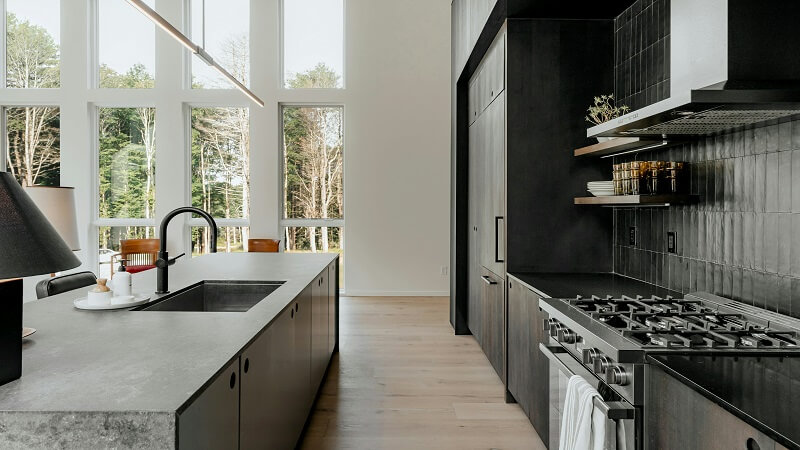
Luxury products have become increasingly popular over the last few years, and while the marketplace has experienced a demand downturn in 2025, many customers are still keen on high-quality items and services, keen to acquire them. Luxury interior design is one of the areas where this makes most sense, since frequent renovation processes are time-consuming and can really put a dent in your budget. However, getting items that were made with craftsmanship and good materials in mind can ensure that you don’t have to change them as often, so that while the upfront costs are a little more elevated, you end up saving money in the long run.
One of the areas of your home that could benefit the most from the luxury treatment is the kitchen, which sees a lot of wear and tear on a daily basis. Most kitchens designed like this tend to be larger and integrated into open-plan living, rather than strictly utilitarian spaces where cooking is done. Apart from preparing meals, these kitchens also function as places where people gather and where guests are entertained.
A Mix of Elements
There are no standardised requirements that dictate what a luxury kitchen should look like. However, one thing that’s certain is that they have a sleek, modern, yet elegant look. Blending classic and contemporary elements in your kitchen is the surest way to achieve this, as it creates balance and a look that is unique and feels personal as well. Many of the recent interior design trends have been a little too focused on making homes aesthetically pleasing by removing much of their personality, but the pendulum is swinging in the other direction now.
Having wood and metallic accents side by side, for instance, will make for a timeless look that is both functional and aesthetically pleasing. If your kitchen already comes with existing woodwork, you can get your units to match by installing them as built-in cabinetry. It’s a seamless, modern design that you achieve through the use of heritage materials, the best of both worlds. Get an antique-looking kitchen island with wooden legs and a professional range cooker for that quiet luxury look.
Galley-Kitchens
Just because luxury kitchens are associated with wide, open spaces doesn’t mean that all of them have to be. In some cases, the layout of your home might simply not allow for it. This doesn’t mean that you should set aside your wishes of creating the kitchen of your dreams. The galley-style kitchen is a good idea when you’re working with a narrow room, as the design includes a linear layout consisting of two parallel runs of cabinets and countertops that form a central walkway between them. The name comes from the fact that they’re modelled after the kitchens found in ships, trains, or airplanes.
Veined marble worktops are a good choice for a galley kitchen, as they can serve as the statement piece that balances the upper and lower areas. They have a polished look that looks lovely with furnishings such as oak cabinets, either in their natural soft brown or a verdant forest green. If you’re looking to attract more brightness to your kitchen, you can go for an all-white look as well, and pair it with walls in a different shade for a contrasting effect. Rugs, especially colourful, handmade ones, can balance a more monochrome, neutral design too.
Bespoke Kitchens
If you want a luxury product, getting it bespoke is always a good idea. In fact, many homeowners regard bespoke designs as the future since they allow you to create a kitchen that looks exactly how you’ve envisioned it. You can really stamp your unique style on your space in this manner and make it really feel like it’s your own. Natural stone and cabinetry from wood such as walnut, wenge, bubinga, teak, birdseye maple, bloodwood, or ribboned sapele are among the favourites of those who choose to have custom-made kitchens. Stone provides a rustic atmosphere and is naturally incredibly sturdy, while these rarer woods have several unique features, including smooth grains, dramatic shades, three-dimensional effects as a result of their patterns, and intense hues, making them both a practical and an aesthetic choice.
Apart from the cabinets, you can also get a bespoke pantry that is perfectly equipped for all your needs. You can design yours to include additional storage for your spices, for instance, a designated corner for the grains and pasta, and an area where you keep the canned goods. Produce and dry goods can share a single area, as can the oils and condiments, but depending on how many of them you have and your unique needs, you might need separate spaces for each as well. Bespoke lighting appliances have become increasingly popular as well, as luxury kitchens typically need several types of lighting.
While the areas where you cut and shop ingredients, use hot water, or the oven need strong light so that you don’t end up injuring yourself, the spots used for dining or which are used to gather with your family and friends can do with softer, more intimate lights. Lighting pendants made from ornate, colourful glass are especially popular since they can easily transform a space and end up looking like a statement piece.
Additional Features
When it comes to colours, earthy tones are expected to be the most popular in 2026. Relaxing greens, taupe, sand, burnt orange, light pink, and buttery yellow are the most popular, a step away from the more minimal looks of the previous years. Dramatic blue, green, or burgundy are the favourites for accent pieces, and you can also work with different textures in order to add depth to your environment.
Technology is entering the kitchen as well, with appliances like smart refrigerators and ovens, hot water, and multifunctional cooking tools making meal preparation easier. Many are buying their own ice-cream makers, for instance, driven by the desire for homemade, healthier treats.
If you’re a homeowner and want to invest in the design of your kitchen, it’s definitely worth looking into luxury and custom-made products. While they will take a little more out of your budget, there’s no denying their long-term advantages as well.