
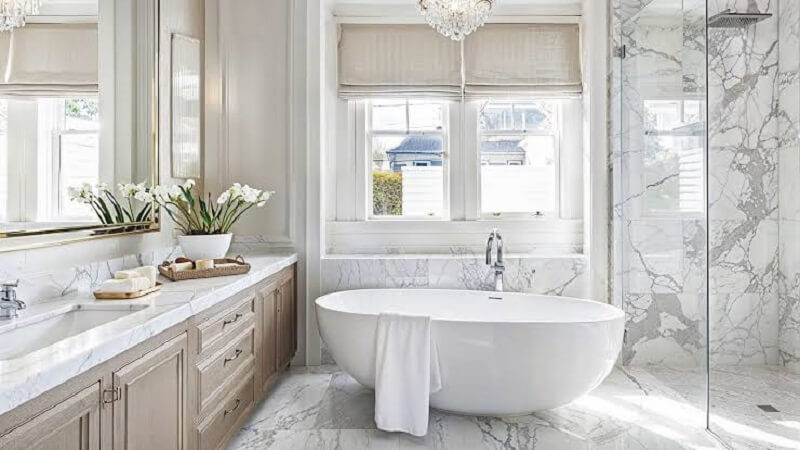
Nobody thinks about their bathroom until it starts giving trouble. Slow drain one week, a fan that rattles more than it vents the next, grout that stays dark near the tub no matter how hard you scrub. That’s usually about when the remodel conversation starts.
So if you’re already there, or just planning ahead, here’s what’s genuinely worth knowing before you start calling around for bathroom remodeling services.
Why the Bathroom Carries So Much Weight
Ask a real estate agent which rooms buyers judge a house by and bathrooms come up almost every time, right next to the kitchen. Every time.
Makes sense really. Cracked grout, a vanity from another decade, one weak light bulb, and people start assuming the rest of the house has been ignored too. Doesn’t matter if that’s true or not, it’s just how people think when they walk into a room. A bathroom that looks cared for does the opposite job. It earns trust before anyone’s even seen the bedrooms.
Old fixtures make buyers assume plumbing trouble, whether or not there actually is any. Small layout tweaks can make a tight bathroom feel a lot roomier than it is. Newer fixtures use less water too, which honestly matters more to buyers now than it did ten years back. And listing photos of an updated bathroom just does better online, that part isn’t really up for debate anymore.
Layout First, Finishes Later
Tempting as it is to jump straight to tile samples, layout is what decides whether a bathroom actually works. That’s where the thinking should start. Not the paint chips.
A few changes homeowners bring up again and again:
Moving the toilet so it’s not the first thing you see walking in. Widening the shower opening so getting in and out isn’t a chore. Turning a dead wall into storage instead of leaving it blank. Split off the toilet with a half wall if the bathroom’s big enough for it. Shifting the vanity so the room actually flows instead of feeling like an obstacle course.
A small bathroom feels roomier the moment the layout makes sense, sometimes without a single tile being touched. That’s why it helps to walk the space with someone before demolition, not after you’ve already started tearing things out.
Comfort Is Winning Over Style Right Now
Style still counts. But look at what people are actually asking contractors for these days and comfort is running the show, not looks.
Walk in showers.
Curbless or low threshold designs keep showing up in nearly every project now. Makes sense, they work at any age or mobility level and they open the room up visually next to a standard tub and shower combo.
Heated flooring.
Radiant heat under tile used to feel like something only rich people bothered with. Now it’s a reasonable add on, and anyone who’s stepped onto cold tile at six in the morning gets why people pay for it.
Layered lighting.
Most older bathrooms run on one overhead fixture doing everything, and honestly it shows. Newer setups split it up. Ambient light for the room generally. Task lighting by the mirror because one overhead bulb never really cuts it for shaving or makeup. Accent lighting near the shower or tub, more for mood than actual function.
Real ventilation.
A fan that’s quiet and sized right keeps moisture from becoming a mold problem down the road. It’s also one of the things inspectors flag most during a home sale, so it’s worth not cutting corners here.
The Functional Stuff Buyers Actually Point Out
Some upgrades aren’t flashy at all but they’re exactly what people mention while walking through a house.
Double vanities show up a lot in primary bathrooms these days, mainly so two people aren’t fighting over one sink at seven in the morning. Water efficient toilets and faucets help the utility bill and usually check the local plumbing code box without you trying. Smart mirrors with built in lighting are becoming more common too, along with slip resistant flooring, which matters a lot in houses with kids or older parents living there. And a few extra outlets never hurt since most people have two or three devices charging in the bathroom at once now anyway.
Materials Worth Choosing for the Long Run
What you pick affects both the upkeep and how the bathroom shows years later.
Porcelain tile handles floors and showers well, it’s durable and doesn’t need much fuss. Quartz holds up on vanity tops better than natural stone when it comes to staining. Moisture resistant drywall in wet areas cuts down mold risk over time. And matte finish fixtures show far fewer water spots than the polished chrome everyone had in the 2000s.
What Actually Moves the Price
Cost’s usually the first question, fair enough. But it depends heavily on scope. Swapping fixtures and repainting costs a fraction of what a full layout change with new plumbing runs.
What pushes the number up or down: whether plumbing or electrical lines need to move, the quality tier of materials picked, local labor rates which swing a lot by region, and permit requirements that differ by city and county. Whether it’s a home project or something bigger matters too.
That last part’s worth slowing down on for a second. Commercial renovation services follow a completely different pricing structure than residential work. Commercial renovation cost usually factors in accessibility requirements, public restroom code compliance, and plumbing on a scale a home bathroom would never come close to needing. So when you’re comparing quotes, double check you’re actually looking at residential numbers and not something meant for a commercial job entirely.
When to Actually Call Someone
Plenty of small updates are fine over a weekend. Others just aren’t, no matter how confident that YouTube tutorial made you feel.
Gas lines and electrical panels belong to a licensed pro, full stop, no exceptions really. Same goes for moving plumbing fixtures somewhere new, structural work like removing or shifting a wall, and waterproofing behind tile and around the shower.
A decent contractor offering bathroom remodeling services will usually walk the space with you, ask what you actually want out of the project, and put together a written estimate before anything gets touched. Get that estimate in writing no matter how small the job looks. Verbal quotes have a habit of drifting once work actually gets going.
Frequently Asked Questions
How long does a bathroom remodel usually take?
A cosmetic refresh, a week or two typically. Full remodel with new plumbing or a layout change, that can stretch to four or six weeks depending on permitting and how fast materials show up.
Do I need a permit for this?
Most US cities want one if plumbing, electrical, or structural works are involved. Cosmetic stuff like paint or a new vanity top usually skips that, though it depends a lot on where you live.
What actually adds the most value here?
Updated plumbing fixtures, better lighting, and proper ventilation tend to bring the strongest returns. They fix how the room functions, not just how it looks in a listing photo.
Is a small bathroom cheaper to remodel than a big one?
Usually, since less material and labor go in. Though small bathrooms sometimes cost more per square foot because working in tight spaces just slows everyone down.
How does commercial renovation cost differ from a home remodel?
Commercial work comes with stricter code requirements, accessibility standards, and much higher volume plumbing needs. All of that pushes costs well above a typical residential remodel.