
Completing a major home renovation or commercial remodeling project is a significant achievement that brings your design vision to life. After weeks or months of dealing with architectural planning, contractor schedules, budget adjustments, and construction noise, the physical building work is finally done. However, stepping into your newly remodeled space often reveals a disappointing reality: every surface is covered in a thick layer of fine white dust, construction debris, dried adhesives, and chemical residues left behind by building crews.
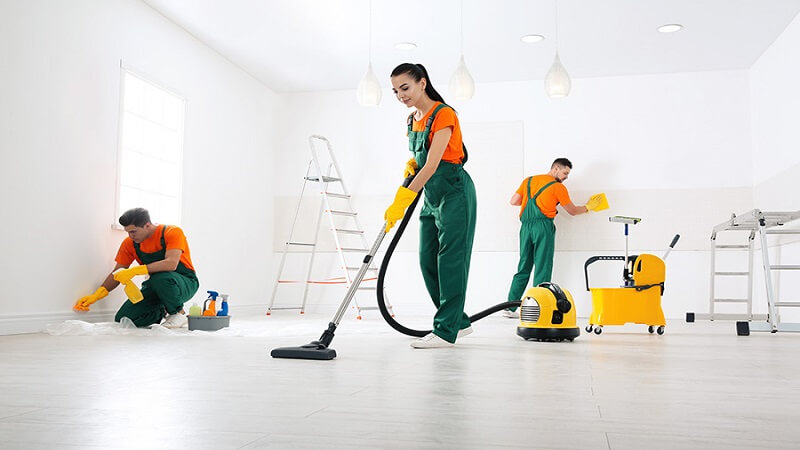
Renovation crews focus on structural installation, not detailed housekeeping. Handing your post-construction cleanup to an elite service provider like PROCLEAN is essential to safely transform a chaotic construction zone into a beautiful, move-in-ready space. Professional technicians use specialized heavy-duty vacuums and advanced techniques to remove fine drywall dust from your air vents and surfaces without scratching your brand-new fixtures.
Attempting to clean up after contractors using standard domestic vacuums can damage your equipment and scratch delicate new finishes. Understanding the complex stages of post-construction cleaning is vital to completing your project successfully.
The Unique Technical Challenges of Construction Dust
Drywall dust, concrete grit, and fiberglass particles behave very differently from ordinary household dust and require specialized handling.
The Problem with Fine Drywall Dust Particles
Drywall sanding creates an ultra-fine powder that floats in the air for days, settling into every crack, electrical outlet, and vent. If you wipe this powder with a standard wet rag, it turns into a thick paste that smears across surfaces and creates a chalky white film when dry. It requires specialized dry-extraction tools and multi-stage filtration to remove completely.
Protecting Delicate New Finishes from Scratches
Brand-new glass window panes, stainless steel appliances, and custom hardwood floors are highly vulnerable to scratching during the post-construction cleanup. Coarse construction grit acts like sandpaper under a cleaning cloth. Surfaces must be thoroughly vacuumed with soft brush attachments before any wiping or polishing takes place.
POST-CONSTRUCTION CLEANING WORKFLOW:
- Rough Clean: Remove large construction debris, trash, and packaging.
- Deep Clean: Vacuum all ceilings, walls, and vents with HEPA systems.
- Detailing: Remove dried paint drops, stickers, tape, and grout haze.
- Window Polishing: Scrape and polish interior and exterior window glass panes.
- Floor Refinishing: Damp-mop hard floor layouts and steam-extract rugs.
Removing Stubborn Construction Chemical Residues
Contractors frequently leave behind silicone caulking smears, protective adhesive tape residues, paint overspray, and grout haze on new tiles. Removing these stubborn residues requires specialized solvent cleaners that dissolve the adhesive bonds without damaging the underlying tile, glass, or stone surfaces.
The Three Fundamental Stages of Post-Construction Detailing
A comprehensive post-construction cleanup must follow a strict, multi-stage sequence to prevent dust from settling back onto areas that have already been cleaned.
Stage 1: The Rough Clean and Debris Removal
The first stage focuses on clearing out the heavy mess left by builders. This involves collecting large construction waste, leftover building materials, plastic drop cloths, and protective cardboard liners, followed by a thorough sweep of the bare subfloors.
Stage 2: The Deep Clean and HEPA Extraction
The second stage handles the extensive dust removal process. Cleaners work from the ceilings downward, vacuuming light fixtures, air registers, walls, and baseboards using certified HEPA filtration systems. This stage also includes deep-cleaning inside all newly installed cabinets, drawers, and closets.
Stage 3: The Touch-Up and Final Polish
The final stage occurs a few days later, after any remaining airborne dust has fully settled. Technicians meticulously clean window glass, polish plumbing fixtures, and buff hard floors to a bright shine, ensuring the entire property looks flawless and welcoming for the occupants.
| Cleanup Phase | Primary Focus | Required Tools | Key Safety Risk |
| Rough Clean | Debris and trash removal | Industrial brooms, heavy bins | Sharp nails, exposed wire hazards |
| Deep Clean | Drywall dust extraction | HEPA vacuums, micro-mops | Airborne respiratory dust inhalation |
| Detailing | Paint and adhesive removal | Precision scrapers, solvents | Delicate finish scratching risks |
| Glass Polish | Sticker and haze removal | Specialized window squeegees | High glass damage vulnerabilities |
| Floor Finish | Mopping and steam cleaning | Floor buffers, extraction units | Slick surface slipping hazards |
Long-Term Benefits of Professional Post-Construction Care
Investing in a meticulous post-construction cleanup protects your health and preserves your expensive new renovations.
- Safeguarding Indoor Air Quality: Completely clearing construction dust out of your HVAC vents prevents respiratory irritation and protects your furnace motor.
- Warranty Protection: Using manufacturer-approved cleaning solutions ensures you do not accidentally void the warranties on your new appliances or stone counters.
- Revealing Hidden Construction Defects: A deep, detailed scrub allows you to spot installation mistakes or minor structural damage before making your final payment to the builder.
Frequently Asked Questions
Can I use my standard home vacuum cleaner for drywall dust?
No, fine drywall dust will instantly clog standard vacuum filters, which can burn out your motor and blow fine dust back into your indoor air.
How do I safely remove dried paint from new window glass?
Apply a generous amount of soapy window cleaner to lubricate the pane, then use a specialized razor scraper held at a 30-degree angle to lift the paint safely.
What is grout haze and how do I clean it?
Grout haze is a dull white film left on tiles after grouting. It requires a specialized acidic grout haze remover to dissolve the mineral crystals completely.
Should my air ducts be cleaned after a remodeling project?
Yes, construction dust gathers inside heating and cooling vents, meaning your ducts must be vacuumed to keep dust from circulating through your home.
How long after construction finishes should the deep clean begin?
The rough cleanup can begin immediately, but the final deep clean should wait 24 to 48 hours to allow all airborne dust to settle fully.
Conclusion
Post-construction cleaning is an essential final step that turns a chaotic renovation project into a beautiful, functional living or working space. Drywall powder, concrete dust, and adhesive residues require specialized extraction tools and careful handling to prevent scratching your expensive new fixtures. Following a structured, multi-stage cleanup process ensures your property is completely safe, highly hygienic, and ready for use. Ultimately, investing in professional post-construction detailing preserves your remodeling investments and provides a beautiful, clean environment for your family or team.