
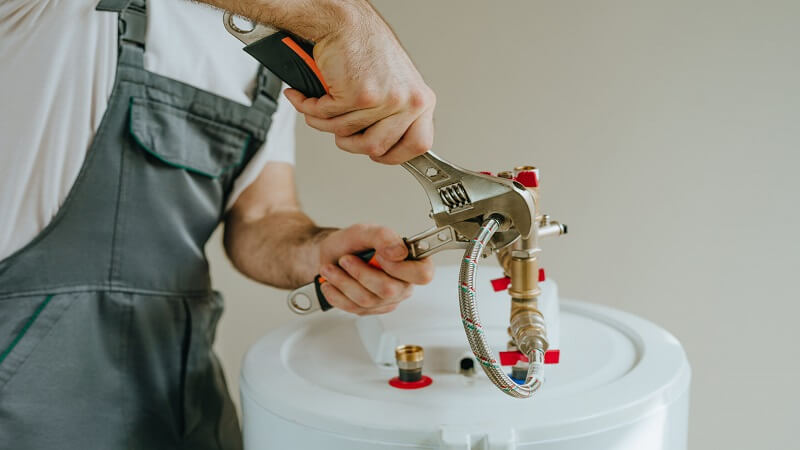
Most people turn on the shower or kitchen tap expecting instant hot water without giving much thought to how it actually arrives. Yet behind the scenes, modern gas hot water systems perform a surprisingly coordinated process involving burners, heat exchangers, thermostats, ventilation, and pressure regulation. While homeowners often focus on comfort and convenience, few understand the mechanics operating quietly inside the unit every day. Understanding how these systems function can help homeowners appreciate their efficiency, recognize warning signs earlier, and make smarter maintenance decisions over time.
The Heating Process Begins the Moment Hot Water Is Requested
A gas hot water unit stays on standby until a hot water tap is activated somewhere in the home. Once water starts flowing through the system, several internal components immediately begin working together.
In storage-based systems, water inside the tank is already heated and maintained at a preset temperature. In continuous flow models, cold water enters the unit only when needed, triggering the burner to ignite automatically.
This rapid response happens within seconds, which is why hot water appears almost instantly in many modern homes.
The Burner Plays a Central Role
Controlled Flames Generate Heat
At the heart of every gas hot water unit is the burner assembly. The burner combines gas and air in carefully controlled amounts before ignition occurs.
Once activated, flames heat either the bottom of a storage tank or a heat exchanger inside a continuous flow system. The intensity of the burner is regulated to maintain consistent water temperature without overheating.
Older systems often relied on a constantly burning pilot light, while many modern units use electronic ignition systems that improve energy efficiency by igniting only when required.
Heat Transfer Happens More Efficiently Than Most Realize
The actual flame never touches household water directly. Instead, heat transfers through metal surfaces designed to absorb and distribute thermal energy effectively.
This process allows water to heat safely while minimizing energy waste. Modern heat exchangers are specifically engineered to maximize efficiency and improve heating speed.
Water Circulation Inside the Tank Is Carefully Managed
Cold Water Enters From Below
In storage tank systems, incoming cold water enters through a dip tube positioned near the bottom of the tank. This design helps separate cold incoming water from already heated water stored near the top.
As the burner heats the lower section of the tank, natural convection causes hot water to rise upward while cooler water moves downward to be reheated.
This circulation process continues automatically to maintain a steady supply of usable hot water.
Hot Water Exits From the Upper Section
When a tap is turned on, hot water is drawn from the top portion of the tank where the warmest water accumulates. This design helps ensure homeowners receive consistent temperatures during normal usage.
The system continuously replenishes itself with fresh cold water to prepare for future demand.
Temperature Regulation Happens Automatically
Thermostats Monitor Water Conditions
Inside every gas hot water system is a thermostat responsible for monitoring water temperature. Once the water reaches the desired setting, the burner shuts off automatically.
When temperatures begin to drop, the thermostat signals the burner to restart and reheat the water.
This automated cycle repeats throughout the day to maintain a reliable hot water supply without requiring manual adjustments.
Modern Systems Offer Greater Precision
Older units sometimes produced fluctuating temperatures due to less sophisticated controls. Newer gas systems use improved sensors and digital temperature regulation to deliver more consistent performance.
This not only improves comfort but also helps reduce unnecessary gas consumption.
Ventilation Is Essential for Safe Operation
Combustion Produces Exhaust Gases
Gas burners generate heat through combustion, which naturally produces exhaust gases such as carbon dioxide and water vapor. Proper ventilation is necessary to remove these byproducts safely from the home.
Most systems use flue pipes or dedicated venting systems to direct exhaust outdoors.
Without proper ventilation, dangerous gases could accumulate indoors, making regular inspections important for household safety.
Airflow Helps Maintain Efficient Combustion
Adequate airflow also ensures the burner receives enough oxygen to operate efficiently. Restricted ventilation can reduce heating performance and place extra strain on the system.
This is one reason professional installation and servicing remain critical for gas-powered appliances.
Pressure Control Protects the Entire System
Pressure Relief Valves Prevent Dangerous Build-Up
As water heats, pressure naturally increases inside the tank. To prevent excessive pressure accumulation, gas hot water units include temperature and pressure relief valves.
These safety mechanisms release small amounts of water if pressure levels rise beyond safe operating limits.
Without these valves, internal pressure could damage the tank or surrounding plumbing components.
Expansion Management Supports Long-Term Reliability
Some modern systems also include expansion control devices that help manage pressure changes more smoothly. This reduces wear on pipes, valves, and fittings over time.
Sediment Build-Up Slowly Affects Performance
Minerals Accumulate Inside the Tank
Many homeowners are unaware that minerals from water supplies gradually settle at the bottom of storage tanks. Over time, this sediment layer can interfere with heat transfer efficiency.
As sediment thickens, the burner must work harder to heat the water, increasing energy usage and reducing overall performance.
Routine Maintenance Helps Preserve Efficiency
Periodic flushing removes sediment buildup and helps extend the lifespan of the unit. Maintenance also allows technicians to inspect burners, valves, thermostats, and ventilation systems before problems become serious.
Ignoring these tasks can shorten the system’s operating life significantly.
Continuous Flow Systems Operate Differently
Unlike storage tanks, continuous flow gas systems heat water only when needed. Cold water passes directly through a heat exchanger where it is rapidly heated before reaching taps and appliances.
Because these systems avoid storing large amounts of hot water, they often deliver improved efficiency while occupying less space.
Many homeowners are switching to continuous flow models for their lower energy consumption and endless hot water capability.
Final Thoughts
A gas hot water unit may appear simple from the outside, but internally it performs a carefully balanced process involving combustion, heat transfer, circulation, temperature control, ventilation, and pressure management.
Most homeowners rarely think about what happens behind the scenes each time they use hot water, yet these systems work continuously to provide comfort and convenience throughout the home. By understanding how gas hot water systems actually function, homeowners can better appreciate the importance of proper maintenance, timely upgrades, and professional servicing to ensure long-term reliability and efficiency.