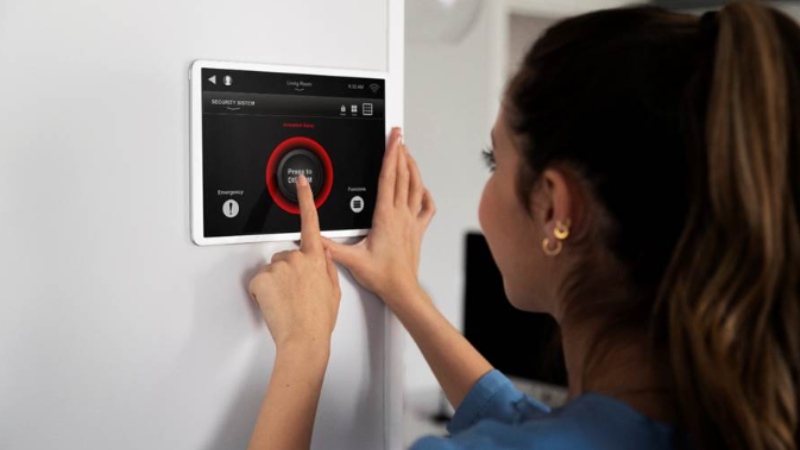
A security system should provide reliable protection, respond quickly to potential threats, and keep up with modern technology. If your system is outdated, frequently malfunctions, or lacks features like remote monitoring and smart integration, it may be time for an upgrade to better protect your home or business.
Security threats continue to evolve, and so does the technology designed to prevent them. A system that worked well several years ago may no longer offer the level of protection you need today. Many property owners turn to BAI for modern security solutions that improve safety, convenience, and peace of mind.
Your System Is More Than 10 Years Old
Technology advances quickly, and security systems are no exception.
If your system is over a decade old, it may:
- Use outdated hardware
- Lack modern cybersecurity protections
- Have limited compatibility with newer devices
- Be difficult to repair because replacement parts are no longer available
Upgrading to a newer system helps ensure your property benefits from the latest security features.
Frequent False Alarms
Occasional false alarms can happen, but frequent ones are a warning sign that something isn’t working properly.
False alarms may result from:
- Aging sensors
- Faulty wiring
- Low-quality equipment
- Improper installation
Besides being frustrating, repeated false alarms can reduce confidence in your system and may even lead occupants to ignore real emergencies.
You Can’t Monitor Your Property Remotely
Modern security systems allow users to monitor their property from almost anywhere using a smartphone or tablet.
Remote access often includes:
- Live video viewing
- Real-time alerts
- Door lock controls
- Alarm management
- Camera playback
If your current system doesn’t offer these features, upgrading can provide greater convenience and faster responses when something happens.
Your Cameras Produce Poor-Quality Images
Clear video footage is essential for identifying people, vehicles, and suspicious activity.
Older cameras often produce:
- Blurry images
- Poor nighttime visibility
- Limited viewing angles
- Low-resolution recordings
Modern high-definition cameras with night vision and motion detection provide much clearer footage that can be valuable if an incident occurs.
Your System Doesn’t Integrate with Smart Devices
Many homeowners and businesses now use smart technology every day.
An upgraded security system can integrate with:
- Smart locks
- Video doorbells
- Motion sensors
- Smart lighting
- Mobile apps
- Voice assistants
Connecting these devices creates a more efficient and responsive security system.
Repairs Are Becoming More Frequent
If you’re constantly replacing sensors or repairing equipment, the costs can add up quickly.
Signs your system may be nearing the end of its lifespan include:
- Random alarm failures
- Sensors that stop responding
- Cameras losing connection
- Keypads malfunctioning
- Battery issues occurring regularly
Rather than repeatedly paying for repairs, investing in a newer system may provide greater long-term value.
Your Business Has Changed
As businesses grow, their security needs often change as well.
You may need an upgraded system if you’ve:
- Expanded your office
- Added employees
- Increased inventory
- Opened additional entrances
- Installed new equipment
A larger or more complex property often requires additional cameras, access controls, and monitoring capabilities.
Better Cybersecurity Is Becoming Essential
Today’s security systems are connected to networks and the internet, making cybersecurity an important consideration.
Modern systems often include stronger encryption, secure user authentication, and regular software updates that help protect against unauthorized access.
Keeping both your physical and digital security up to date is an important part of protecting your property.
Professional Installation Makes a Difference
Even the best equipment performs poorly if it isn’t installed correctly.
Professional installers can:
- Evaluate your property’s layout
- Identify vulnerable entry points
- Position cameras for maximum coverage
- Configure sensors properly
- Test the system thoroughly
A professionally installed system helps ensure every component works together effectively.
Key Takeaways
- Security systems should be updated as technology and security risks evolve.
- Systems that are more than 10 years old may no longer provide reliable protection.
- Frequent false alarms and recurring repairs often indicate aging equipment.
- Remote monitoring allows you to manage your security from virtually anywhere.
- High-definition cameras provide clearer footage and better nighttime visibility.
- Smart device integration improves convenience and overall system performance.
- Growing homes and businesses often require expanded security capabilities.
- Professional installation helps ensure your upgraded security system performs at its best.