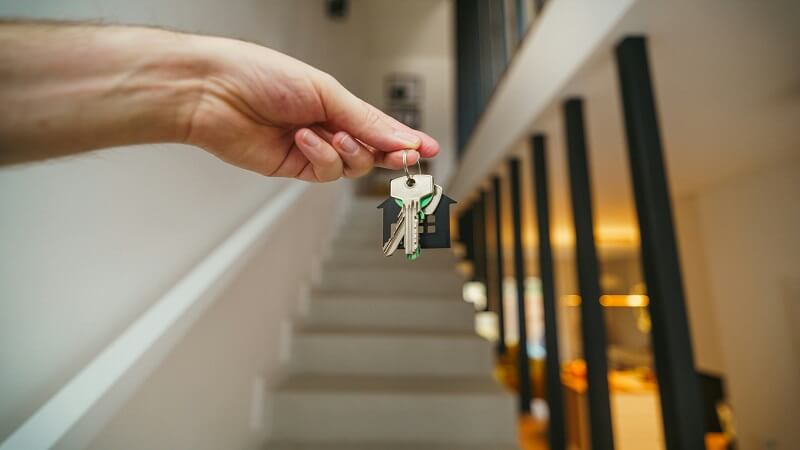
When the housing market slows down, many people hit pause. Listings stay up longer, open houses are quieter, and sellers seem more cautious. It can make buyers nervous. You might wonder if prices will drop even more or if something is wrong with the property. But that’s only one side of the story.
A slow market doesn’t mean it’s a bad time to buy. It can actually be the right moment for people who plan carefully. Homes that were once out of reach may become affordable. Sellers who wouldn’t negotiate before are now willing to talk. Most of all, buyers finally have time to think before making big decisions.
This article breaks down what most people never mention about buying when the market cools. It’s not about chasing trends — it’s about understanding what really happens when the pace changes and how smart buyers can use it to their advantage.
1. Financing Options Can Be Surprisingly Flexible
A slower market doesn’t just affect home prices — it can also influence lending. When home sales drop, lenders often compete harder to attract buyers. They may adjust their loan programs, lower certain fees, or offer rate incentives to stay competitive. This creates an opportunity for buyers who take the time to compare financing options.
It’s a good idea to get quotes from more than one lender and ask about available programs. Some may offer reduced closing costs or special terms for first-time buyers. You can also use this period to improve your credit or reduce existing debt, both of which can help you qualify for better rates.
The key is not to rush. A slow market gives you the space to research lenders, understand loan terms, and find some of the best mortgage rates for your situation. Small differences in rates can lead to big savings over time, so it’s worth the effort to explore your options carefully.
2. Sellers Are More Open to Negotiation
During a hot market, sellers often call the shots. But when demand drops, they start to listen. They might agree to cover some closing costs, make small repairs, or adjust the price. Many are motivated to sell because they’ve already bought another home or need to move soon.
This gives buyers room to ask for what they need. Maybe you want a price reduction after an inspection or help with minor updates. In a slow market, these requests are realistic. It’s not about taking advantage of sellers — it’s about creating a deal that works for both sides.
3. You Have Time to Make Smarter Decisions
In a busy market, buyers often rush to make offers without fully understanding what they’re buying. A slower market gives you the one thing every buyer needs — time. You can review inspection reports carefully, visit the property more than once, and compare similar homes in the area.
You can also take time to get pre-approved for financing and talk to different lenders. There’s no rush to beat ten other buyers to the same property. That slower pace reduces stress and helps prevent costly mistakes.
Buying a home is a big step. When the market isn’t racing ahead, you can finally approach it with a clear head.
4. Long Listings Can Hide Real Opportunities
Many buyers overlook homes that have been listed for months. They assume something must be wrong. But often, these homes are simply mispriced or poorly marketed. A property might have great potential but not enough visibility.
This is where you can benefit. By looking beyond the listing date, you might find a home that meets your needs and fits your budget. Sellers of long-listed properties are often more open to negotiation. A fair offer backed by proper research can go a long way.
Patience matters here. Instead of chasing the newest listings, look for those that have been waiting for the right buyer — it could be you.
5. Market Data Helps You Negotiate Better
When the market slows, information becomes your biggest advantage. Public real estate data is easier to track than ever. You can check how long homes stay on the market, how prices change week to week, and what nearby homes are selling for. This helps you make decisions based on facts rather than guesswork.
If a home has been listed for a long time or had a price drop, that’s useful to know before you make an offer. You can use that data to support your proposal and show the seller you’ve done your homework. Agents can also provide local reports that explain trends in specific neighborhoods.
Understanding this data gives you confidence in negotiations. You’ll know when to push for a better deal and when a price is already fair. In a slow market, knowledge often replaces speed as your main advantage.
6. Accurate Appraisals Protect Your Purchase
Appraisals become even more important when the market cools. With fewer recent sales, lenders rely heavily on professional appraisals to confirm a home’s fair value. If an appraisal comes in lower than the agreed price, you have the chance to renegotiate or reconsider the purchase.
A fair appraisal ensures you don’t pay more than a property is worth. It also keeps your financing in check, since most lenders base loan amounts on appraised values. Work closely with your agent and lender to understand how the process works and what steps to take if the appraisal comes in lower than expected.
This step protects your investment and keeps your financial risk under control, especially when prices are adjusting.
7. Slower Markets Reward Long-Term Thinking
Buying in a quiet market is about patience, not panic. Short-term price drops can worry buyers, but housing is rarely a short-term decision. If you’re buying to live in the home for several years, small market shifts won’t matter as much.
Focus on what truly affects your future — location, community growth, maintenance costs, and overall quality of life. These factors often matter more than short-term market trends. A slow period can even allow you to buy in a neighborhood that might have been unaffordable a year earlier.
Thinking long-term means planning for stability. If you choose a solid home within your budget, you’re likely to benefit when the market strengthens again.
A slow market isn’t something to avoid — it’s something to understand. Homes may take longer to sell, but that doesn’t make them bad buys. It simply means you have more time, more leverage, and more chances to make smart decisions.
Use that time to do your research, talk to experts, and look at properties with clear goals in mind. Pay attention to what the data tells you, and don’t rush into anything that doesn’t feel right.
The truth is, slower markets favor buyers who prepare well. If you focus on long-term value instead of short-term noise, you can turn a quiet market into your best opportunity to buy with confidence.