
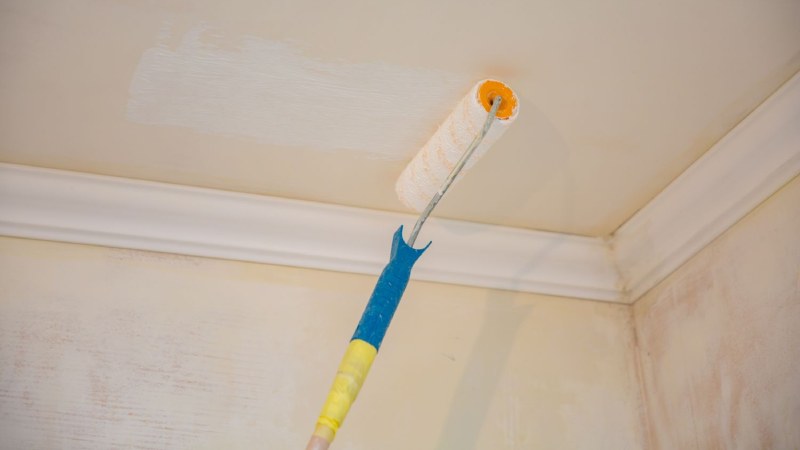
Water stains can leave a room looking damaged even after the leak, roof issue, plumbing problem, or moisture source has been repaired. Brown marks, yellow rings, peeling paint, and uneven patches can make ceilings and walls appear unfinished. Interior painting helps bring the space back together by covering repaired areas, blending surfaces, and giving the room a cleaner look. Paint also helps refresh the home’s mood after the stress of water damage. Once the surface is dry and repaired, proper painting turns the room from patched to polished.
Clean Walls Restore Comfort
-
Stain Blocking Helps Prevent Old Marks From Returning
Water stains can be stubborn because discoloration may bleed through ordinary paint if painters do not prepare the surface correctly. After drying, repairing, and sanding the damaged area, the painter may apply a stain-blocking primer before adding the finish coat.This helps seal the old mark, so it does not reappear days or weeks later. Homeowners may call interior painters in Lakewood, CO, when ceiling spots or wall stains remain visible even after the moisture problem has been fixed. This step matters because painting directly over a stain without proper sealing can create a frustrating cycle of repeated touch-ups. A careful painter checks that the surface is fully dry, looks for soft drywall, and ensures peeling areas are removed before primer is applied. By treating the stain properly, the finished surface looks smoother and more complete. This helps the home feel repaired instead of simply covered.
-
Surface Preparation Creates a Smoother Finish
After water-stain repairs, walls and ceilings often need more than just paint. The surface may have raised edges, cracked texture, patched drywall, uneven compound, or rough sanding marks. Interior painters help by preparing the area so the final coat blends with the surrounding surface. Preparation may include scraping loose paint, sanding repaired patches, filling small gaps, feathering edges, and matching texture where needed. This is important because light reflects differently on uneven surfaces, making repaired spots stand out even after fresh color is applied. A smooth surface helps the paint settle evenly and reduces the chance of visible patch lines. In rooms with ceiling stains, matching texture can be just as important as matching color because a flat patch on a textured ceiling can draw attention. Proper preparation gives the repair a finished appearance and helps the room look cared for again. Paint works better when the surface beneath it is clean, dry, and even.
-
Color Matching Helps the Room Look Unified
Water stain repairs often affect only one section of a wall or ceiling, but painting only that small area can leave a noticeable difference. Existing paint may have faded from sunlight, cleaning, smoke, humidity, or age, so a new coat in the same color may still stand out. Interior painters help update the space by deciding whether touch-up painting, wall-to-wall painting, or a full room refresh will create the most even result. In many cases, painting the entire ceiling or one complete wall gives a cleaner finish than trying to hide a small patch. This approach helps the repaired area blend naturally with the rest of the room. Painters can also suggest a fresh shade if the homeowner wants to use the repair as a chance to update the space. A new color can make the room feel brighter, calmer, or more current while hiding the visual memory of the old water damage.
-
Paint Finish Matters After Moisture Problems
Choosing the right paint finish can make a difference after water stain repairs. Some rooms, such as bathrooms, laundry areas, basements, and kitchens, deal with more moisture than living rooms or bedrooms. A painter can recommend a finish that suits the room’s use and cleaning needs. Flat paint may hide surface flaws well, but it can be harder to clean.Satin or eggshell finishes may work better in areas where people need to clean surfaces regularly, while ceilings often require a finish that reduces glare. The goal is to choose paint that looks good and supports daily use. After a moisture issue, this choice becomes more important because the room may require added durability. Homeowners should not use paint to hide an ongoing leak, but once they fix the cause, the right finish helps them keep the room cleaner and easier to maintain. This gives homeowners a more practical update, not just a visual one.
-
Updated Paint Refreshes the Whole Home
Water stains can affect how a homeowner feels about a room, even after the repair is complete. A marked ceiling or patched wall can make the space feel older, neglected, or unfinished. Interior painting helps restore confidence in the home by creating a fresh, consistent look. It also gives homeowners a chance to rethink the room’s color, lighting, trim, and overall style. A repaired water stain may prompt repainting nearby walls, refreshing the trim, or choosing a shade that makes the space feel more open. These changes can make the home feel cleaner and more comfortable after a stressful repair process. Painting also helps remove the visual reminder of the leak or stain, allowing the room to feel normal again. When the repaired area blends with the rest of the home, the update feels complete. The result is a space that looks finished, cared for, and ready for daily life.
A Finished Room Feels Renewed
Interior painting helps update homes after water-stain repairs by sealing discoloration, smoothing repaired areas, matching the color, choosing the right finish, and refreshing the room’s appearance. Water damage can leave behind marks that regular cleaning cannot remove, but painters can give the space a finished look once they correct the source of moisture.The process also helps homeowners move beyond the visible signs of damage and enjoy the room again. With proper preparation and finish work, walls and ceilings can look clean, even, and renewed. A thoughtful paint update turns a repaired surface into a restored living space.