
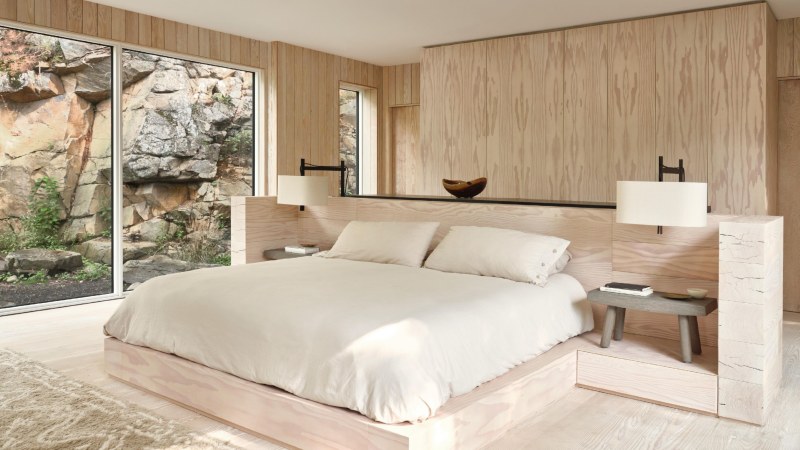
For much of history, the bed served a simple purpose. It was a place to rest at the end of the day and begin again the next morning. Today, however, the role of the bed has expanded far beyond sleep. Across homes of different sizes, styles, and locations, the bed has quietly become one of the most important pieces of furniture in everyday life.
The shift reflects broader changes in how people live, work, and spend time at home. Bedrooms are no longer treated as spaces that remain closed off until nighttime. They have evolved into personal retreats, reading corners, planning stations, and places for reflection. As a result, the bed has become the anchor around which many daily routines revolve.
The Evolution of Private Space
Modern living places a growing emphasis on personal space. Open floor plans and connected digital lifestyles often create environments filled with constant activity and communication. Within this landscape, the bedroom offers a rare sense of separation.
The bed naturally occupies the largest visual and functional footprint within the room. Because of its size and purpose, it influences everything from furniture placement to lighting choices and room flow. Interior designers frequently begin bedroom planning with the bed because it establishes the foundation for the entire environment.
As homes increasingly serve multiple functions, the importance of creating a comfortable and restorative personal space has become more apparent. The bed sits at the center of that effort.
More Than a Place to Sleep
The traditional distinction between daytime and nighttime activities has become less defined. Remote work, digital communication, online learning, and streaming entertainment have changed how people use their homes.
Many individuals now read, write, plan, watch content, or connect with family while sitting on their beds. This does not mean the bedroom has become a workspace. Instead, it highlights how the bed supports a broader range of activities that contribute to daily life.
Research into home environments consistently shows that people seek spaces that offer comfort, security, and familiarity. The bed fulfills all three needs while serving as a physical and psychological point of stability.
Design Choices Reflect Changing Priorities
Furniture design has adapted to these evolving expectations. Modern beds often emphasize comfort, proportion, and practicality alongside aesthetics. Features such as integrated storage, supportive headboards, and versatile frame designs reflect changing lifestyles.
Consumers increasingly look for furnishings that support both function and appearance. This trend can be observed across many regional markets, including those searching for bedroom sets Maine, where buyers often balance durability, comfort, and design compatibility when furnishing personal spaces.
The growing attention given to bed design demonstrates its elevated role within the home. Rather than being viewed as a purely functional object, it is increasingly seen as a defining element of the living environment.
The Connection Between Environment and Well-Being
The design of a bedroom can influence how people experience their daily routines. Factors such as layout, visual balance, lighting, and furniture scale contribute to overall comfort.
The bed plays a central role in creating that experience. A well-positioned bed can improve room flow and establish a sense of order. Symmetry created through surrounding furniture and lighting can also contribute to a calmer atmosphere.
Environmental psychology has long explored how physical surroundings affect mood and behavior. While no single piece of furniture determines well-being, the bed often acts as the focal point that brings the room together.
This influence extends beyond aesthetics. A thoughtfully designed sleeping environment supports routines that encourage relaxation and consistency, both of which are valuable components of healthy living.
The Rise of Bedroom-Centered Living
Several decades ago, living rooms often served as the primary destination for leisure and relaxation. Today, many people spend more time in their bedrooms than previous generations.
The rise of personal devices has contributed to this shift. Entertainment, communication, reading materials, and planning tools are readily available without requiring a dedicated shared space. As a result, bedrooms increasingly function as personalized environments tailored to individual preferences.
The bed naturally becomes the centerpiece of this arrangement. It provides comfort without demanding attention and accommodates a variety of activities without requiring additional furniture.
This transformation reflects changing habits rather than temporary trends. The bedroom has become a destination rather than simply a place of transition.
A Lasting Shift in Home Design
As residential design continues to evolve, the importance of bedrooms is unlikely to diminish. Homeowners and renters alike are placing greater value on spaces that support restoration, privacy, and comfort.
The bed remains at the center of this movement because it combines practical necessity with emotional significance. It is one of the few furnishings used every day, making its presence more meaningful than many decorative elements.
The modern home continues to change in response to technology, lifestyle patterns, and personal priorities. Through all those shifts, the bed has emerged as more than a place to sleep. It has become the defining feature of a room designed to support the rhythms of everyday life, making it one of the most influential pieces of furniture in contemporary living.